
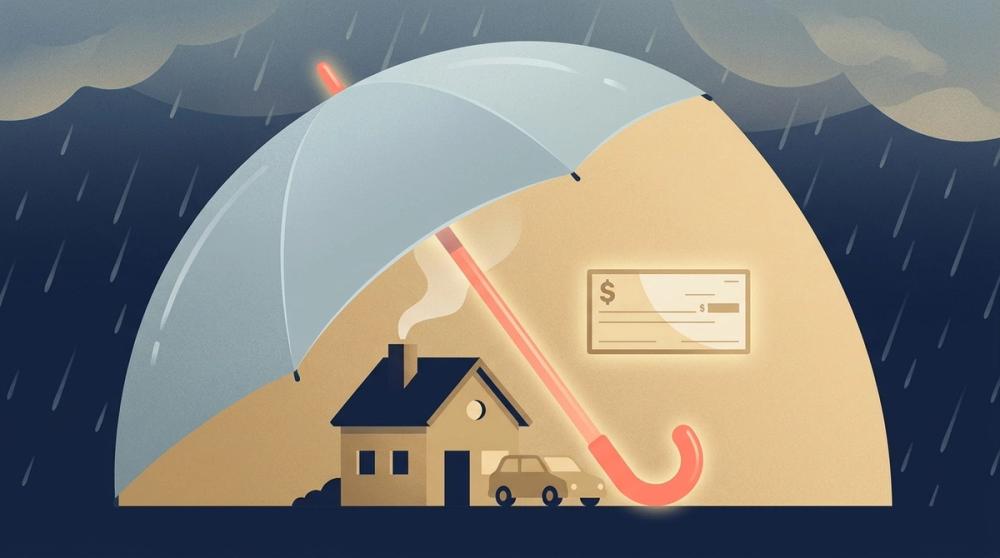
Here's a question worth sitting with for a second: what's your single biggest financial asset? Most people say their house or their retirement account. But for the majority of working adults, the honest answer is your ability to earn a paycheck. And yet we insure the car, the house, even the phone — while the income that pays for all of it goes unprotected.
That's the gap disability insurance exists to fill. According to the Social Security Administration, roughly one in four of today's 20-year-olds will experience a disability before reaching retirement age. So the question isn't paranoid. It's practical. Let's figure out whether you actually need this coverage — not whether someone wants to sell it to you.
What Disability Insurance Actually Covers
Disability insurance replaces a portion of your income — typically 50% to 70% — if an illness or injury keeps you from working. That's it. Simple concept, widely misunderstood.
The biggest misconception? That disability means a dramatic accident. In reality, most long-term claims come from far more ordinary causes: back and joint problems, cancer, heart disease, and mental health conditions. These aren't freak events. They're the things that happen to regular people in regular life.
And no, workers' compensation doesn't cover you here. Workers' comp only applies to injuries that happen on the job — and most disabilities don't.
Short-Term vs. Long-Term Disability Insurance
Disability coverage comes in two flavors, and the difference matters.
Short-term disability insurance kicks in quickly, usually within days or weeks, and pays benefits for three to six months. Think recovery from surgery, a serious injury, or childbirth.
Long-term disability insurance starts after a waiting period — often 90 days — but can pay out for years, sometimes all the way to retirement. This is where the real financial protection lives. A three-month income gap is painful. A three-year gap can undo a decade of careful saving. Long-term coverage is also the piece most people are missing.
Do You Really Need It? The Honest Answer
It depends on your situation, but the self-assessment is straightforward.
You probably need disability insurance if:
- Other people depend on your income
- You couldn't cover six or more months of expenses from savings
- You're self-employed, with no employer safety net
- Your work is physically demanding
You may need less coverage if you have substantial savings, a partner whose income covers the essentials, or strong existing coverage through work.
One warning: don't count on Social Security Disability Insurance as your plan. SSDI is real, but it's hard to qualify for, slow to approve, and modest in what it pays. Treat it as a backstop, not a strategy.
What About Coverage Through Work?
If your employer offers group disability coverage, take it. It's often free or close to it. But read the fine print before assuming you're set.
Group plans commonly cap monthly benefits, exclude bonuses and commissions from the calculation, and pay benefits that are taxable when your employer covers the premium. The coverage also vanishes the day you change jobs. For higher earners or anyone whose employer plan leaves a real gap, a supplemental individual policy is worth pricing out.
How Much It Costs (and How to Keep It Affordable)
A good rule of thumb: an individual long-term policyLife insurance that covers a fixed number of years and pays out only if you die within them, which is why it is cheap. runs roughly 1% to 3% of your annual income. You can pull a few levers to keep premiums down — choose a longer waiting period before benefits start, shorten the benefit period, or adjust how the policy defines disability. An "own occupation" policy pays if you can't do your job; an "any occupation" policy is cheaper but only pays if you can't do any job.
One more thing: buy younger. Premiums lock in based on your age and health, so waiting costs you twice.
The Bottom Line
If your savings couldn't carry you through a year without a paycheck, disability insurance isn't optional padding. It's the policy that protects every other financial goal you have. Start this week: check what your employer already offers, find the gap, and price what it costs to close it.