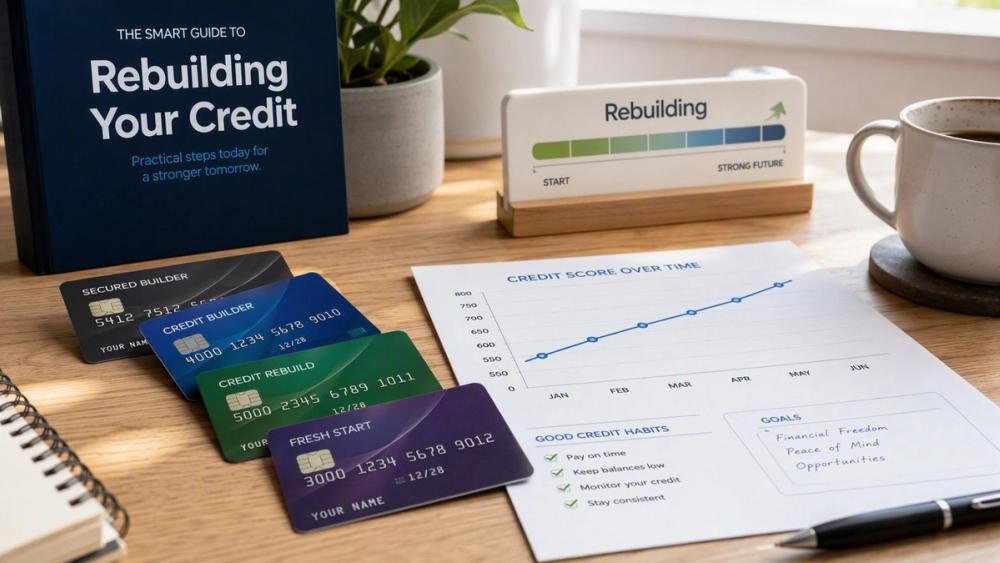
Debt can leave deep marks on a credit file. Late payments, high balances, charge-offs, or a bankruptcy stay on reports for years and shut most mainstream card doors. The practical way forward is a card that reports every month to all three major bureaus and rewards consistent on-time payments. The eight cards below are real products issuers still approve for damaged credit in 2026. Each one can start the rebuild if you treat it carefully.
How a Credit Card Rebuilds Your Score After Debt
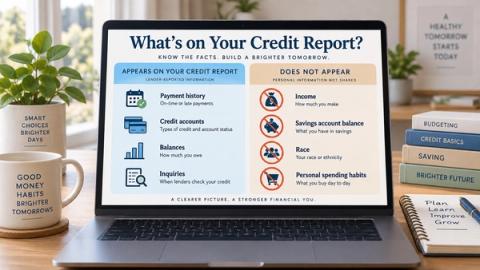
Payment history still drives the largest share of a FICOThe credit scoring model used in the large majority of US lending decisions, ranging from 300 to 850. or VantageScoreA credit scoring model built jointly by the three credit bureaus, using the same 300–850 range as FICO but weighing inputs differently.. A new positive tradeline that reports on time every month begins to offset older negatives as they age. Utilization matters almost as much. Keep balances under 30 percent of the limit, ideally under 10 percent, and the score responds faster. Secured cardsA credit card backed by a refundable cash deposit that sets your limit, used to build or rebuild a credit history. work because the refundable deposit lowers the issuer’s risk, which raises approval odds. A few unsecured second-chance cards exist, but they often carry higher fees. Most people who pay in full and stay under the utilization target see meaningful movement in six to twelve months. Graduation to an unsecured card is common with the better issuers, yet never automatic.
1. Capital One Quicksilver Secured Cash Rewards Credit Card
This is the strongest all-around pick for most people rebuilding after debt. You put down a $200 minimum refundable deposit that becomes your credit limit. There is no annual fee. You earn a flat 1.5 percent cash back on every purchase. Capital One reports to Equifax, Experian, and TransUnion. After about six months of on-time payments the issuer reviews the account for a possible upgrade to an unsecured Quicksilver card and return of the deposit. The cash back softens the cost of starting over without tempting overspending.
2. Capital One Platinum Secured Credit Card
Choose this one when cash is tight. Capital One sometimes approves a $49, $99, or $200 deposit depending on the application. The annual fee is zero. It does not earn rewards, but it reports cleanly and includes free CreditWise monitoring. The same six-month review process applies, so many cardholders move to an unsecured Capital One product once the history is solid. It is a no-frills tool that gets the reporting job done with the smallest cash commitment.
3. opensky® Plus Secured Visa® Credit Card
OpenSky stands out because it skips the credit check. That makes it one of the few realistic options after bankruptcy or when every other application has been declined. The Plus version carries a $0 annual fee. You still post a refundable deposit between $200 and $3,000 that sets the limit. The card reports to all three bureaus. There is no formal graduation program, so plan to keep the account open long-term or refinanceReplacing an existing loan with a new one, usually to lower the rate, change the term, or convert equity into cash. later once scores recover. It is the pure accessibility play.
4. Bank of America® Unlimited Cash Rewards Secured Credit Card
Bank of America pairs a $200-plus deposit with a $0 annual fee and the same 1.5 percent cash back on all spending that its unsecured Unlimited card offers. Reporting is monthly and complete. Preferred Rewards members can later unlock higher earning rates once their overall relationship and credit improve. The card works well for people who already bank with Bank of America and want the rebuild to feel continuous with their existing accounts.
5. Chime Credit Builder Visa® Credit Card
Chime takes a different approach. You open a Chime Spending Account and move money into a secured Credit Builder account. That money becomes available as you spend and repay, so there is no traditional locked deposit and no interest charged. Annual fee is zero. Chime reports to the three major bureaus. The structure removes the interest risk that trips up many rebuilders who carry balances. It suits readers who want maximum simplicity and zero chance of interest charges.
6. Credit One Bank® Platinum Visa® for Rebuilding Credit
This is one of the more accessible unsecured options. No security deposit is required. Annual fees typically range from $0 to $99 depending on the exact offer and credit profile. Rewards are limited, but the card reports and is designed specifically for people rebuilding after debt or thin files. It is useful when you prefer not to lock up cash yet still need a revolving tradeline that starts reporting immediately.
7. Self Visa® Credit Card (with Self Credit Builder Account)
Self combines an installment credit-builder account with a Visa card. Monthly payments fund a savings-like account while both the installment and revolving activity report to the bureaus. There is no classic security deposit for the card itself. The first-year annual fee is often waived, then $25. The dual tradeline approach can accelerate score gains for people whose files lack installment history. Interest on the card is high, so pay the balance in full every month.
8. First Progress Prestige Secured Mastercard®
First Progress offers one of the lower APRs among pure secured cards. You post a refundable deposit that equals the credit limit. Some versions carry a modest annual fee. The card reports to all three bureaus and gives borrowers who may occasionally carry a small balance a slightly less expensive interest rateThe percentage charged for borrowing money or paid for depositing it, quoted as an annual figure. than most competitors. Still, the smarter move is to pay in full and treat the lower APRThe yearly cost of borrowing, expressed as a percentage that includes the interest rate plus most lender fees. as a safety net rather than an invitation to revolving debt.
How to Use These Cards Without Creating New Problems
Pick the deposit size you can leave alone for at least six to twelve months. Pay the statement balance in full every cycle. Set autopay for the full amount or at least the minimum on the day after the statement closes. Check your scores monthly through free tools such as CreditWise or the bureaus’ own sites. After six clean months ask for a credit-line increase or graduation review. Space out any additional applications so hard inquiriesA lender's review of your credit report when you apply for credit — recorded on the report and worth a few points for about a year. stay limited. Keep utilization low even as the limit grows.
Rebuilding after debt is mostly mechanical. Open one of these cards, use it for small regular purchases, and pay it off every month. The positive data compounds. Once scores reach the mid-600s, mainstream unsecured cards become realistic targets. Keep the oldest positive accounts open and add rent or utility reporting if it is available. Consistency on a single well-chosen card beats chasing rewards or applying for every offer that appears.