You know that uneasy feeling when one ordinary Tuesday suddenly gets expensive? The car won’t start. The dentist says the word “urgent.” Your hours get cut at work. None of it feels dramatic enough for a movie scene, but it can absolutely wreck a monthly budget.
That’s where an emergency fundCash set aside in an accessible account to cover unexpected expenses or a loss of income without taking on debt. comes in.
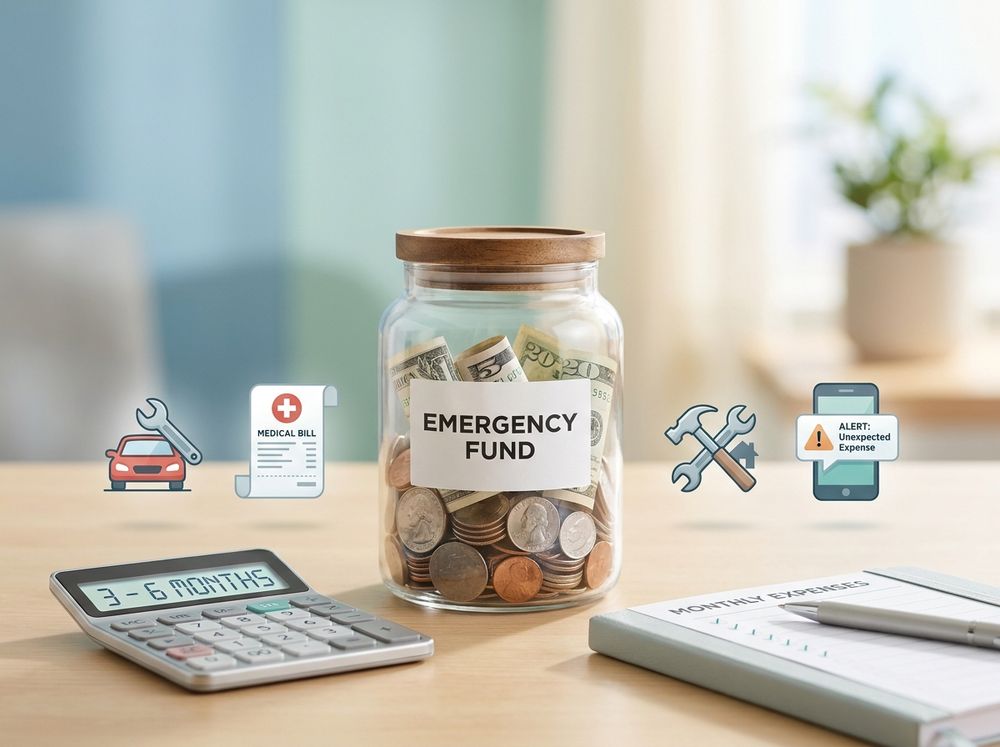
An emergency fund is money you keep aside for unexpected, necessary expenses. Not vacations. Not holiday shopping. Not a nicer phone because yours suddenly feels ancient. It’s the financial cushion that keeps a bad week from turning into credit card debt, late payments, or a long stretch of panic.
So, how much emergency fund do you really need? For most people, the answer is three to six months of essential expenses. But that rule needs some nuance. Your real number depends on your income, job stability, family responsibilities, debt, insurance coverage, and how quickly you could recover from a financial shock.
Let’s break it down in a way that actually fits real life.
What Is an Emergency Fund?
An emergency fund is a dedicated pool of cash for urgent costs you did not plan for but cannot ignore. Think of it as financial shock absorption. It does not make life smooth. It just keeps the bumps from throwing you off the road.
Good emergency fund uses include:
- A sudden job loss
- Medical or dental bills
- Essential car repairs
- Emergency home repairs
- Urgent travel for a family crisis
- Temporary income disruption
The Consumer Financial Protection Bureau encourages emergency savings because even small cash reserves can reduce reliance on high-interest debt. And that matters. Once a surprise bill lands on a credit card, the emergency often keeps charging interest long after the original problem disappears.
Why the Three-to-Six-Month Rule Is Only a Starting Point
The classic advice says to save three to six months of expenses. It’s popular because it’s simple. And honestly, simple helps.
But simple does not always mean precise.
A single renter with stable income and low debt may not need the same emergency fund as a self-employed parent with a mortgage, two kids, and an aging car. Their risks live in completely different neighborhoods.
Three months may be enough if you have:
- Stable employment
- A second household income
- Low fixed expenses
- Strong health, auto, and home insurance
- No dependents
- Reliable family support
- Manageable debt
- Irregular income
- One household income
- Dependents
- A mortgage
- High insurance deductibles
- Chronic medical costs
- Older vehicles or home systems
- Work in an industry with frequent layoffs
How Much Emergency Fund Do You Really Need?
Use this simple formula:
Emergency fund target = essential monthly expenses × months of coverageStart with your essential monthly expenses. This is not your full lifestyle budget. It’s the amount required to keep your household running during a rough patch.
Include:
- Rent or mortgage
- Utilities
- Groceries
- Transportation
- Insurance premiums
- Minimum debt payments
- Childcare
- Prescriptions
- Phone and internet
- Basic pet care
Let’s say your essential expenses are $3,000 per month. If you want four months of protection, your emergency fund target is:
$3,000 × 4 = $12,000That number may feel heavy. Fair. Most people do not casually find $12,000 hiding between couch cushions. But you do not need to save it overnight. You build it in layers.
Start With a Starter Emergency Fund
Before chasing the full three-to-six-month goal, create a starter emergency fund. This gives you immediate breathing room.
A good first milestone is:
- $250 if money is very tight
- $500 if you need a basic buffer
- $1,000 if you want stronger short-term protection
After that, aim for one month of essential expenses. Then three. Then decide whether six or more fits your situation.
Emergency Fund Guidelines by Life Situation
If you are single with stable income, three months of essential expenses may be a solid target. You may want more if your rent is high or you do not have nearby support.
If you have a family, four to six months usually makes more sense. Kids make emergencies more expensive. Childcare, medical needs, school costs, and higher grocery bills can turn a small disruption into a real strain.
If you are self-employed or freelance, consider six to twelve months. Your income may arrive unevenly, clients may pay late, and slow seasons can stretch longer than expected. Also, keep business reserves separate from personal emergency savings. Mixing the two creates confusion right when you need clarity.
If you are paying off high-interest debt, start with a small emergency fund first. Then attack expensive debt aggressively. Without any savings, one surprise bill can push you right back into borrowing.
Where Should You Keep Your Emergency Fund?
Emergency savings should be safe, liquid, and separate from everyday spending.
Good options include:
- High-yield savings accountsA federally insured savings account paying a much higher rate than a typical bank account, with full access to your money.
- Money market accountsA federally insured bank account that pays savings-level interest while offering check-writing or debit access.
- Credit union savings accounts
- Short-term cash-equivalent accounts with easy access
An emergency fund has one job: show up quickly when needed. It is not trying to outperform the market. It is trying to protect your rent payment.
How to Build an Emergency Fund Without Feeling Overwhelmed
The easiest method is automation. Set up a transfer to savings after every payday, even if it’s small. Twenty dollars every week still creates movement. And movement beats waiting for the perfect month.
You can also speed things up by saving part of:
- Tax refunds
- Work bonuses
- Overtime pay
- Cash gifts
- Side income
- Reimbursements
Can You Have Too Much in an Emergency Fund?
Yes, you can.
Cash feels safe, especially if you have lived through financial stress. But holding too much cash creates opportunity costThe value of the best alternative you gave up by choosing something else — the part of a decision's cost the price tag never shows.. Money beyond your reasonable emergency target may serve you better in retirement accounts, debt payoff, education savings, or long-term investments.
If you have more than twelve months of expenses sitting in cash with no clear reason, review your plan. Peace of mind matters. So does growth.
Final Answer: How Much Emergency Fund Do You Really Need?
Most people should aim for three to six months of essential expenses. Start with $500 to $1,000 if you are beginning from zero. Build toward one month. Then move toward three to six months based on your real risk.
Choose the higher end if your income is unstable, you have dependents, you own a home, or you would struggle to replace your income quickly. Choose the lower end if your job is stable, your expenses are low, and you have strong backup options.
Your emergency fund does not need to be perfect. It needs to be there. Because when life gets loud and expensive, a little cash cushion can give you something incredibly valuable: time to think clearly.