Maybe it's a loan application that gets denied out of nowhere. Maybe it's a letter from the IRS saying you already filed your taxes this year — except you haven't. Or maybe it's a debt collector calling about a credit card you never opened. However it shows up, the moment you realize your Social Security number is in someone else's hands, the ground shifts a little. The good news: there's a clear order of operations here, and following it matters more than reacting fast in every direction at once.
How to Tell If Your SSN Has Actually Been Stolen
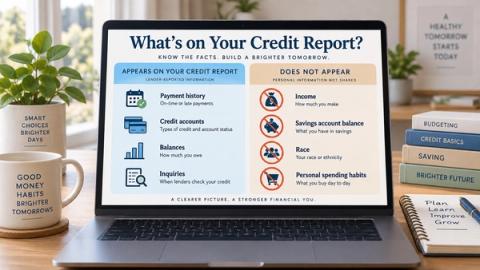
Unlike a stolen credit card, SSN theft rarely announces itself. There's no single alert that pops up and says "this has been compromised." Instead, you notice it sideways — through the fallout. Watch for unfamiliar accounts on your credit report, credit inquiries you didn't make, a tax return rejected as a duplicate, or collection calls for debts that aren't yours. If two or more of these show up around the same time, treat it as confirmed and move to action, not just suspicion.
The First 24 Hours: What to Do Right Away
Speed matters here, but order matters more.
Start with a fraud alert or a credit freeze. A fraud alert tells lenders to verify your identity before opening new credit; a freeze blocks new accounts from being opened at all until you lift it. Freezes are the stronger option, and they're free — but you'll need to contact all three bureaus separately: Equifax, Experian, and TransUnion.
Next, file a report at IdentityTheft.gov. This isn't just paperwork — it generates a personalized recovery plan and an official Identity Theft Report, which you'll need later when disputing fraudulent accounts.
Finally, file a report with your local police department. Not every case needs this, but if a fraudulent account has already been opened or you suspect the theft ties to a specific incident (a lost wallet, a data breach, a break-in), a police report gives you documentation that carries real weight with banks and creditors.
Lock Down Your Financial Accounts
Call your bank and any credit card issuers directly — use the number on the back of your card, not one from a suspicious email or text. Walk through your recent statements line by line for anything you don't recognize, even small charges, since fraudsters often test a stolen identity with a tiny purchase before going bigger. While you're at it, turn on account alerts for new logins, large transactions, and address changes, so you're not relying on a monthly statement to catch the next problem.
Dealing With the IRS
If your SSN was used to file a fraudulent tax return, request an IRS Identity Protection PIN, or IP PIN. It's a six-digit code that gets attached to your Social Security number, and it makes it far harder for anyone else to file under your name going forward. If a fraudulent return has already been filed, the IRS has a specific process for that — including Form 14039, the Identity Theft Affidavit — and it can take time to sort out, so start it as early as possible rather than waiting to see if it resolves on its own.
Watching for Fraud Down the Road
Here's the part people miss: SSNs get sold and reused long after the initial theft, sometimes months or years later. A stolen credit card usually gets shut off fast. A stolen SSN can sit quietly and resurface when you least expect it. Pull your free credit reports from all three bureaus at AnnualCreditReport.com and check them periodically, not just once. If you want a second layer of protection, ongoing credit monitoring is worth considering — not mandatory, but a reasonable option if you'd rather not check manually.
Protecting Your SSN From Here On Out
A few habits go a long way. Don't carry your Social Security card in your wallet — leave it somewhere secure and only bring it out when you genuinely need it. Be skeptical of anyone who asks for your SSN over the phone or by email, especially if they created the urgency themselves. And shred any documents that show the full number instead of tossing them in the trash.
When It's Time to Get Outside Help
Most cases resolve by working through the steps above. But if the fraud is extensive, spans multiple accounts, or drags on without resolution, it may be worth bringing in an identity theft recovery service or an attorney who handles this specifically. This isn't a step everyone needs, but it's one worth knowing exists.
The first hour after you discover the theft matters more than the first day. Freeze your credit, file your reports, and start working through the list — in that order. It's less about moving fast in every direction and more about moving in the right one.