
You notice it at the register first. Same list, same store, roughly the same cart — and a total that's climbed since spring. Nobody announces the change. You just start rounding up in your head before you reach the checkout.
That gap between the official number and the receipt in your hand is the whole story of how inflationThe general rise in prices over time, which steadily reduces what each dollar of savings can buy. impacts your daily cost of living.
What the Inflation Number Actually Measures
The Consumer Price Index tracks a fixed basket of goods and services, weighted by what a typical household buys. The word doing the heavy lifting is typical. That basket includes things you never purchase and weights things you buy constantly as though you buy them occasionally.
In June 2026, the index fell 0.4% for the month — the largest one-month decline since April 2020 — bringing the annual rate to 3.5%. That was down from 4.2% in May, the first slowdown in five months.
You'll also see a second figure quoted: core inflation, which excludes food and energy and sat at 2.6% over the same twelve months. Economists strip out those two categories because they swing hardest. That's reasonable for setting policy. It's less useful when you're standing in the produce aisle.
Where the Rising Cost of Living Actually Bites
Averages flatten everything. Individual categories don't move together at all.
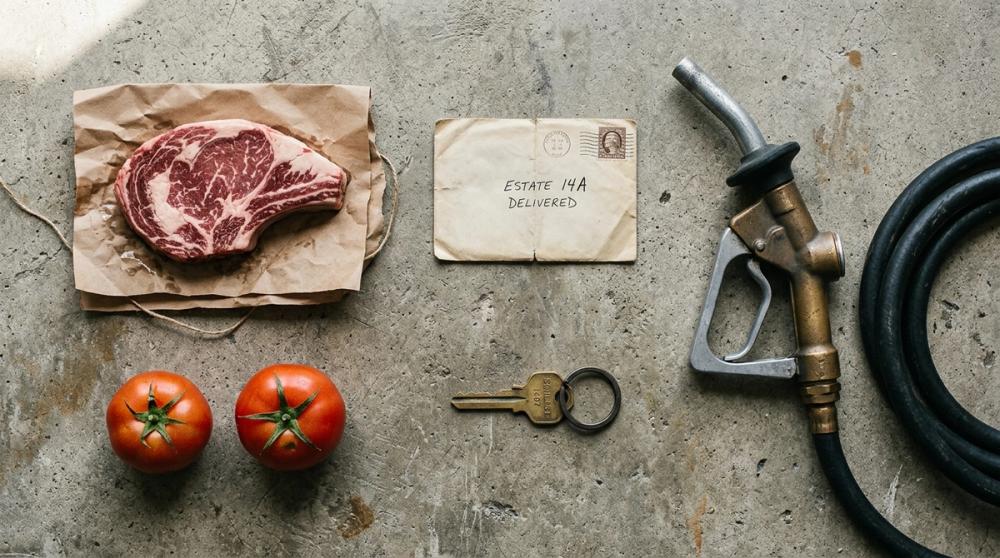
Energy has been the loudest story this year. Even after June's relief, energy costs were still up 15.7% from a year earlier, with gasoline up 26.7% and fuel oil up 42.9%. Those swings hit you weekly.
Groceries look calm in aggregate and aren't. Food inflation ran at 3% annually while individual items moved far more — beef roast climbed roughly 14% on a decades-low cattle supply, and tomatoes rose about 20%. Your basket isn't the national basket. If you buy beef weekly, your grocery inflation is nowhere near 3%.
Housing is the largest line in most budgets and the slowest to move. Shelter costs rose 3.3% over the year, which sounds modest until you apply it to the biggest number on your bank statement.
Insurance, utilities and services arrive differently. They reprice once a year, quietly, and land as a single unpleasant renewal notice.
Sticky Prices Versus Flexible Ones
Here's the distinction that explains most of the confusion. Gasoline prices fall back. Rent, insurance premiums, restaurant menus and haircuts mostly don't.
So "inflation is cooling" and "everything still costs more" are both true at the same time. A slower inflation rate means prices are climbing more gently from a higher base. It does not mean prices are returning to where they were.
The Quieter Cost: Your Savings Lose Ground
While you're watching prices, something less visible happens to money sitting still.
The FDICFederal backing that protects deposits up to $250,000 per depositor, per institution, per ownership category. put the average savings account yield at 0.38% in late July 2026. Against 3.5% inflation, that's a real loss of roughly three percentage points a year. Ten thousand dollars parked in a typical account buys around $300 less after twelve months, even though the balance looks slightly larger.
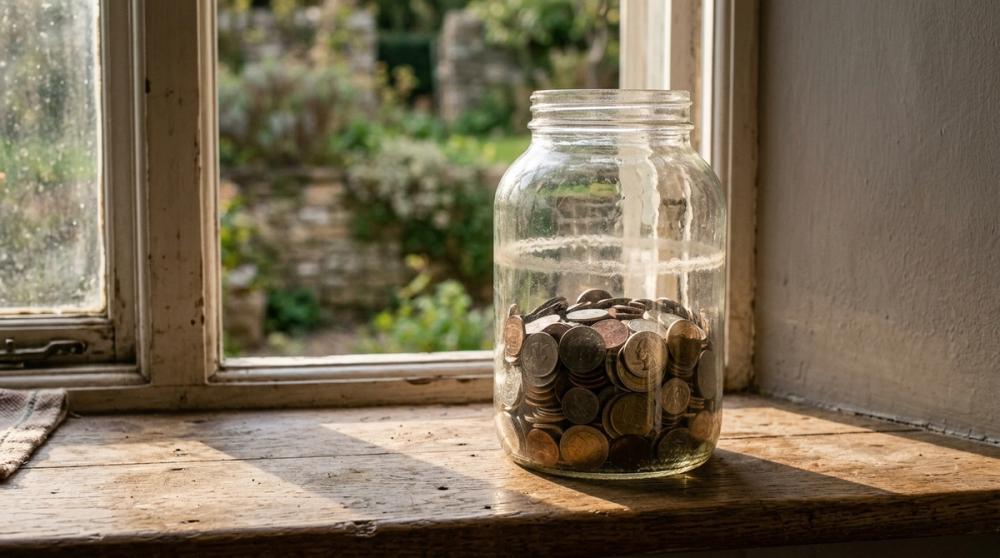
The alternative isn't exotic. Competitive high-yield savings accountsA federally insured savings account paying a much higher rate than a typical bank account, with full access to your money. were paying up to 4.50% over the same period — the same federal insurance, the same liquidity, roughly ten times the return. Run the difference on our compound interest calculator and the ten-year gap is genuinely uncomfortable to look at.
Why Your Personal Inflation Rate Isn't the Headline Number
The published figure describes an average household that doesn't exist.
Renters absorbed housing increases immediately. Homeowners with fixed mortgages absorbed none of it. Long-distance commuters swallowed the full gasoline spike while remote workers barely registered it. Households with young children carry food, childcare and healthcare weightings far above the national basket.
Your actual inflation rate depends on your five largest spending categories. Track those over a year and you'll have a number that means something — the only one your budget genuinely responds to.
What Actually Helps
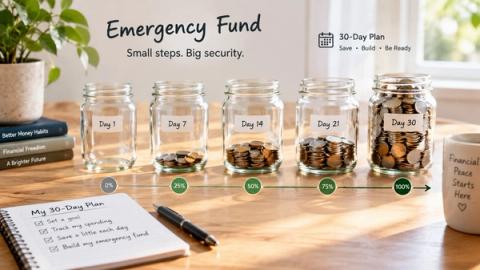
Move idle cash. The easiest gap to close, and it takes an afternoon.
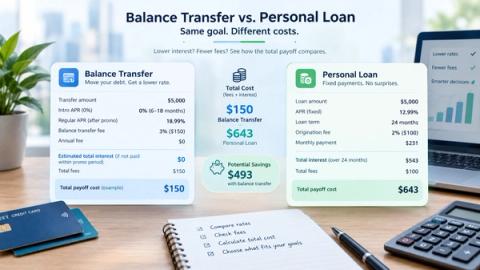
Attack variable-rate debt first. Credit card APRs follow benchmark rates, and the Fed has held its range at 3.50%–3.75% through four consecutive meetings, citing persistent inflation. This balance gets more expensive the longer you carry it. Our credit card payoff calculator will show you the interest cost of waiting.

Lock what you can lock. Annual plans over monthly. Fixed rates over variable. Renewals negotiated rather than auto-accepted.
Audit the quiet repricers. Subscriptions and insurance policies that climb 8% a year while nobody's watching.
Push on income. A raise compounds every year afterward. Coupon-clipping resets every week.
You can't control the inflation rate. You can control whether you've actually looked at your five biggest expenses this year.
Start there. Pull up last month's statement and total them.