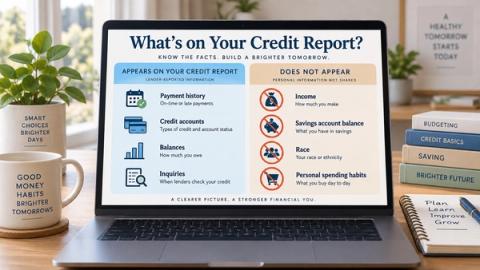
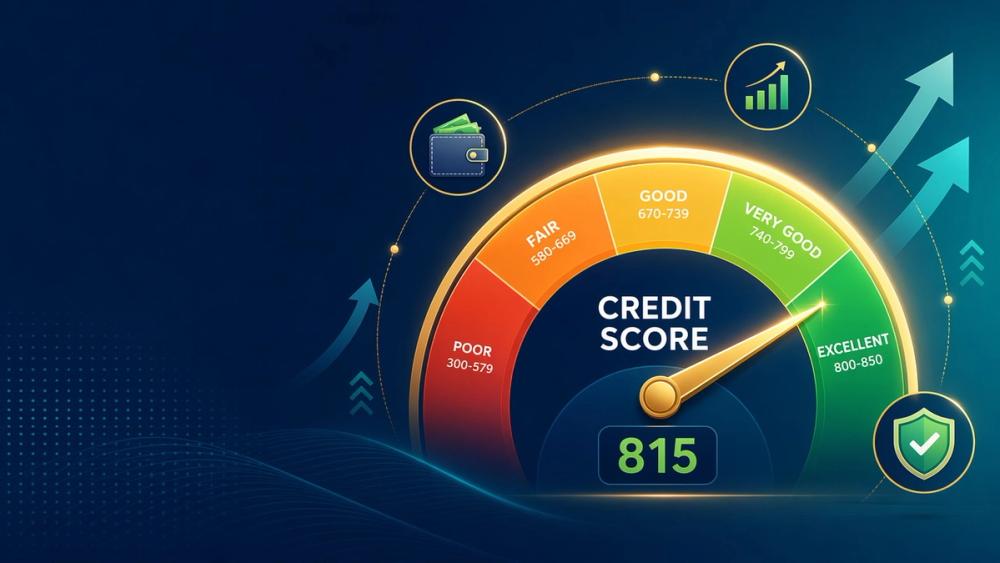
A low credit scoreA three-digit number, typically 300 to 850, that lenders use to estimate how likely you are to repay borrowed money. can stall a mortgage application, inflate a car loan's interest rateThe percentage charged for borrowing money or paid for depositing it, quoted as an annual figure., or trigger an apartment rejection you didn't see coming. The good news: you don't need a full year of perfect behavior to see movement. Several tactics work in weeks rather than months, provided you pick the right tools and use them correctly. Below are seven proven ways to boost your credit score fast, ranked roughly by how quickly each one tends to show results.
1. Get Instant Credit for Bills You Already Pay
Traditional credit scores only count revolving and installment accounts, which means your phone bill, streaming subscriptions, and utility payments do nothing for your file by default. Alternative-data reporting closes that gap. Experian Boost is a free tool that scans your bank account for recurring payments and adds qualifying ones directly to your Experian file. Because the payments already exist, there's no new debt and no waiting period involved. Many users see a bump within minutes of connecting their accounts, making this one of the fastest wins on this list.
2. Dispute Errors on Your Credit Report Right Away
Credit reports contain mistakes more often than most people assume: a paid-off account still listed as open, a late payment that was actually on time, or worse, an account that isn't even yours. Each error can quietly drag your score down. Credit Karma offers free monitoring across all three major bureaus and flags likely inaccuracies as they appear. Once you spot an error, file a dispute immediately. Bureaus generally have 30 days to investigate, and a successful dispute removes the negative mark entirely.
3. Add a Credit-Builder Loan to Diversify Your Credit Mix
Scoring models reward a healthy mix of credit types, which is why relying solely on credit cards can cap your progress. A credit-builder loan adds installment history to your file without requiring you to qualify for a large loan upfront. Self's Credit Builder Account works with no hard credit pull and lets you choose a monthly plan between $25 and $150. Payments report to all three bureaus, so your first on-time installment starts working for you almost immediately.
4. Open a No-Credit-Check Secured Card
If your file is thin or your credit is still recovering, a hard inquiryA lender's review of your credit report when you apply for credit — recorded on the report and worth a few points for about a year. from a new application can do more harm than good. The Chime Credit Builder Secured Visa sidesteps that risk entirely: there's no credit check, no interest, and no minimum security deposit required. You fund the secured account yourself, spend from that balance, and the card reports your on-time payments as revolving credit history. It's a low-risk way to add positive activity without taking on new debt.
5. Choose a Secured Card With an Automatic Upgrade Path
Some secured cardsA credit card backed by a refundable cash deposit that sets your limit, used to build or rebuild a credit history. do more than build history; they graduate you into an unsecured product once you've proven reliability. The Discover it® Secured Credit Card reports to all three bureaus, earns cash back on everyday purchases, and periodically reviews your account for an upgrade to an unsecured card, often paired with a refund of your original deposit. That combination of rewards and a built-in growth path makes it a strong pick if you plan to stick with one card while your score climbs.
6. Skip the Deposit With an Income-Based Starter Card
Not everyone has $200 sitting around for a secured card deposit, and that shouldn't be a barrier to building credit. The Petal 2 Visa Card uses cash-flow underwritingThe process a lender or insurer uses to verify your finances and decide whether to approve you, and on what terms. instead of a traditional credit check, evaluating your banking activity rather than your score alone. There's no deposit, no annual fee, and approval decisions come back quickly once you link your bank account. For anyone locked out of secured cards by an upfront cost, this is a practical alternative.
7. Start Small With a Flexible, Low-Deposit Secured Card
If a full $200 deposit still feels steep, some issuers let you start smaller. The Capital One Platinum Secured Credit Card allows deposits as low as $49 for a $200 credit limit, depending on your profile. That gap between deposit and limit gives you more room to keep utilization low from day one, and utilization happens to be one of the more heavily weighted factors in most scoring models.
The Bottom Line
You don't need to chase all seven tactics simultaneously to see a difference. Pick two or three that match your situation, whether that's a thin file, a few report errors, or a tight budget for deposits. Give them a few billing cycles to report. Check your score before you start so you have a baseline, then track it as these accounts begin reporting activity. Small, consistent moves compound faster than most people expect.