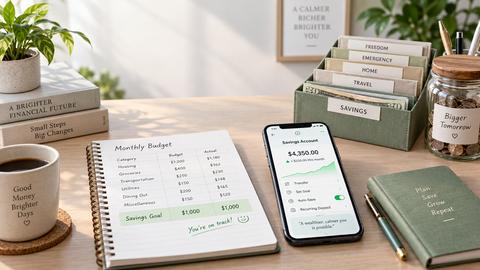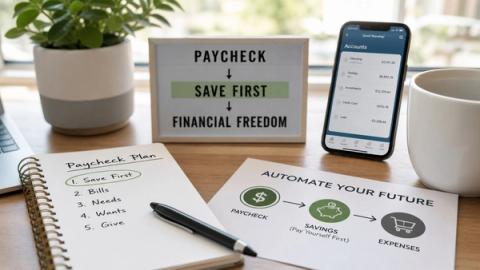
Understanding Cash Stuffing
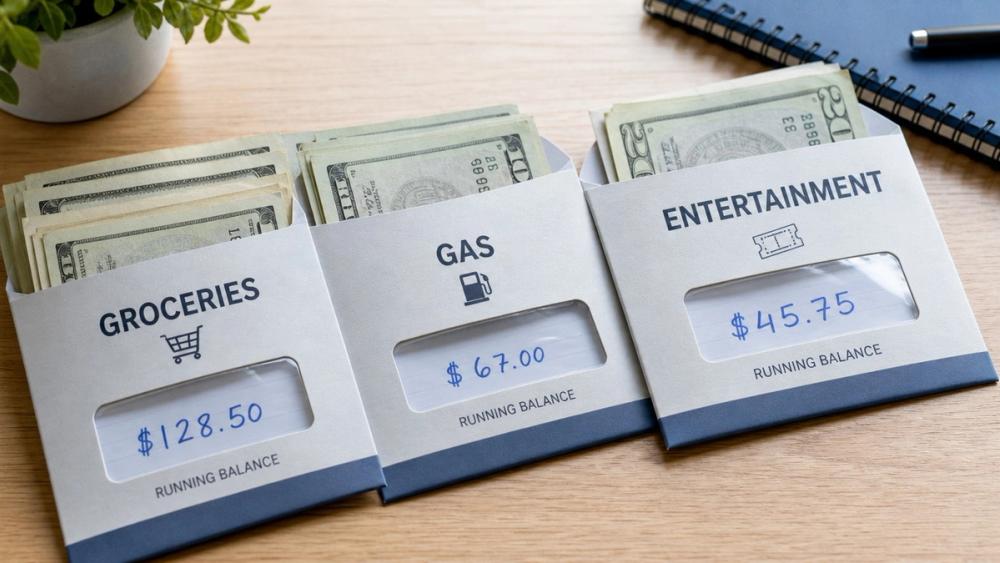
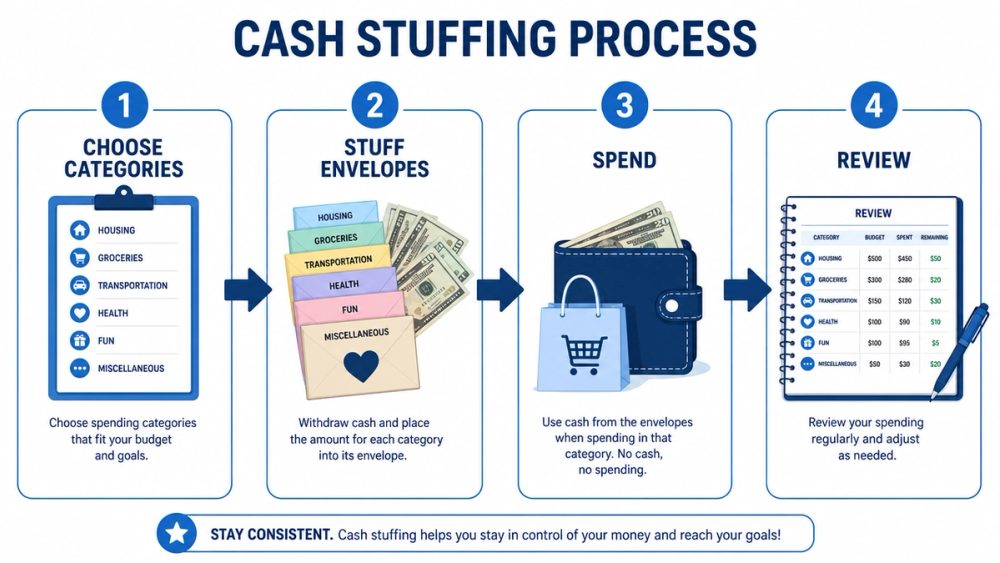
Cash stuffing places physical cash into labeled envelopes. Each envelope represents one budget category. You allocate the budgeted amount at the start of every month. Then you spend from the envelope as you go along. This creates a visible running tally for each category.
The method makes budgeting tangible. You see exactly how much cash remains before you buy something. Many people find this approach helps them avoid overspending. It turns abstract numbers into something you can touch.
Furthermore cash stuffing encourages better planning. You commit to amounts upfront. This prevents last-minute spending decisions. Users appreciate the built-in limits it creates.
The History of the Envelope Method
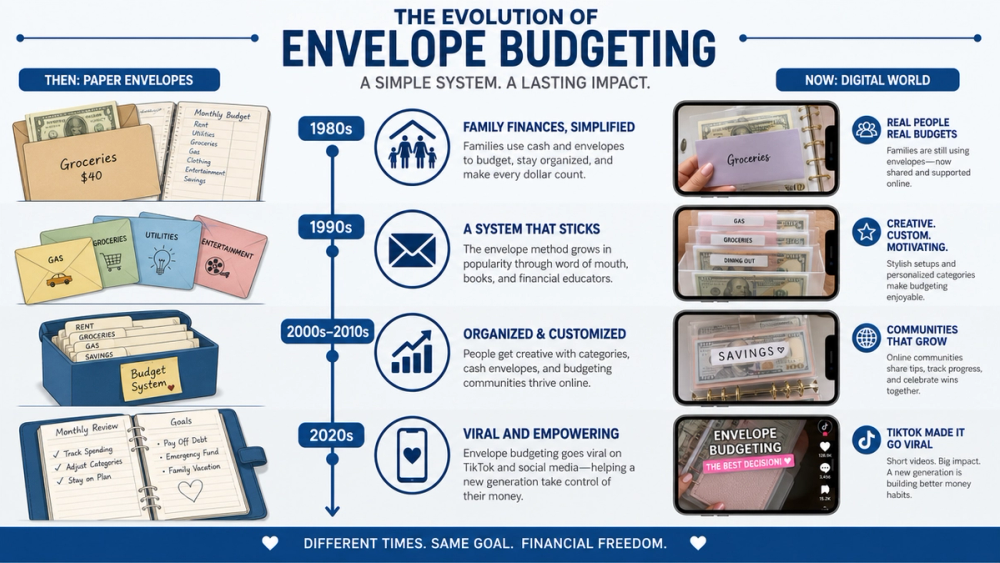
Traditional envelope budgeting dates back decades. Families used it to manage household expenses. They divided envelopes by category and used cash only.
The viral version emerged recently on social media. TikTok videos showed users filling envelopes. The trend caught on quickly among those who prefer physical methods.
Experts link the popularity to behavioral economics. The visual reminder effect makes spending more memorable. People remember actions tied to physical objects better. This approach aligns with research on habit formation.
Does Cash Stuffing Work
Cash stuffing works for some people. It fails for others. Success depends on your lifestyle and discipline level. Users who follow the method strictly report better spending habits.
One advantage appears in families with children. Parents stuff envelopes for weekly allowances. Kids learn to manage money independently. This builds responsibility early.
However cash stuffing has limitations. You need to carry cash everywhere. Online purchases bypass the system completely. Damage or loss of envelopes becomes a risk.
Data from budgeting forums shows mixed results. About half of participants stick with the method long term. Success rates stay high for those with stable income. Irregular expenses cause problems.
Benefits of Cash Stuffing
Cash stuffing creates clear spending limits. You see the remaining amount before you decide to spend. This reduces emotional decisions about money.
The approach builds financial awareness fast. People notice patterns they missed with digital tools. Some discover unnecessary subscriptions after reviewing envelopes.
Moreover cash stuffing forces category planning. You allocate amounts at the start of the month. This leads to thoughtful budgeting rather than reactive spending.
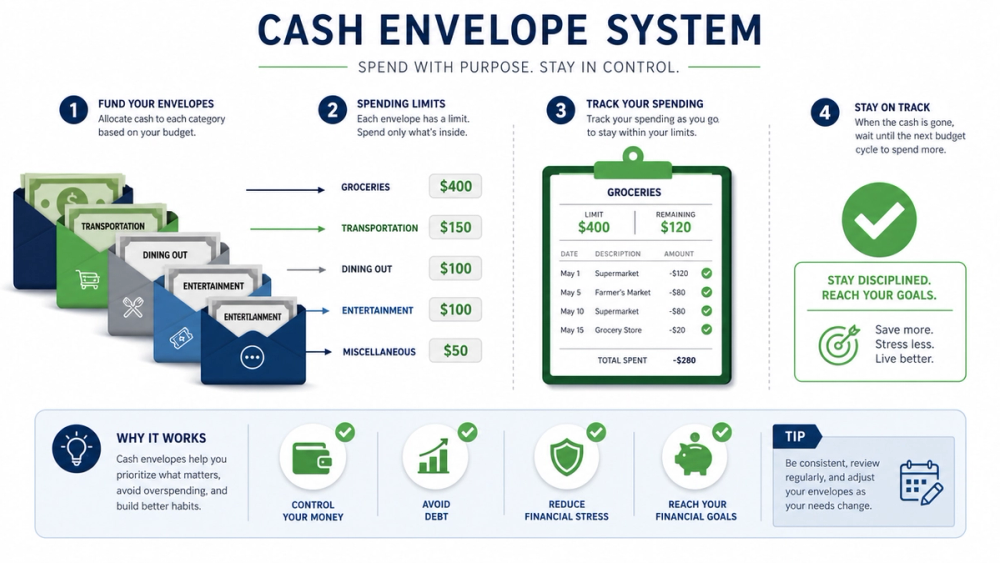
The physical nature adds engagement. You feel the weight of cash in your hand. This connection makes the process more meaningful than abstract tracking.
Drawbacks of the Viral Envelope Method
Cash handling introduces practical issues. You must remember envelopes at home. Some categories resist easy division like travel expenses.
Digital alternatives prove easier for automatic payments. Apps send alerts without physical hassle. Spreadsheet methods offer flexibility for irregular income.
Mental accounting creates potential anxiety. Once money leaves an envelope it feels spent. You might hesitate to reallocate funds mid month.
The method requires space for storage. Envelopes take up room and can get damaged. ATM fees add up with frequent withdrawals.
Steps to Implement Cash Stuffing Successfully
Start with five to seven core categories. Choose housing utilities food transportation entertainment and savings. Avoid too many envelopes at first.
Allocate amounts based on your income. Track spending for a few months first. Review categories weekly and adjust as needed.
Maintain consistency month after month. The system gains power through repetition. Photograph your envelopes as backups against loss.
Update allocations after unexpected bills. Seasonal changes also require attention. This gradual approach prevents overwhelm.
Cash Stuffing Compared to Other Methods
Digital apps provide automation and alerts. Tools integrate with bank accounts automatically. You avoid carrying cash while tracking spending.
Spreadsheet approaches give flexibility. You adjust totals instantly without restocking. Sharing budgets with family becomes simple.
Hybrid methods combine both approaches. Use envelopes for important categories. Track the rest digitally. This combination addresses limitations effectively.
User Experiences with Cash Stuffing
Many users share positive stories. A couple used cash stuffing during home buying. Separate envelopes for mortgage and maintenance helped them stay on budget. They reported fewer surprises.
A student tried the method during summer jobs. He allocated envelopes for tuition transportation and entertainment. The system prevented overspending on leisure. His grades improved because he spent less time socializing.
These experiences highlight the method's value. Users credit the envelopes with teaching better money habits. The tactile experience creates stronger connections than apps alone.
Adapting Cash Stuffing for Modern Life
Combine cash stuffing with digital tools for best results. Use envelopes for cash-heavy categories. Track online spending in an app.
Consider apps that support envelope style tracking. Some software sets visual limits and sends alerts. You gain psychological benefits plus modern convenience.
Test the method for one month. Focus on one category first. Measure results and expand if needed. This careful approach ensures success.
Final Thoughts
Cash stuffing offers a simple way to visualize budgets. The viral envelope method works when you need reminders and limits. Physical cash creates engagement that many digital tools lack.
The method delivers results for many people. It teaches spending habits through tangible means. You gain awareness faster than with numbers alone.
Still test the approach carefully. Consider your lifestyle and environment. The envelope method suits stable situations best. It encourages reflection on money management.
You decide if cash stuffing fits your needs. A hybrid solution may serve you better in some cases. Ultimately the method succeeds when it aligns with your personal situation.