Choosing your first credit card in 2026 can feel like stepping into a store where every shelf is shouting at you. Cash back. Bonus points. No annual fee. Intro APRThe yearly cost of borrowing, expressed as a percentage that includes the interest rate plus most lender fees.. Metal cards. Student cards. Secured cardsA credit card backed by a refundable cash deposit that sets your limit, used to build or rebuild a credit history.. It’s a lot.
But here’s the truth: your first credit card doesn’t need to be exciting. It needs to be safe, affordable, and easy to manage.
The right first card can help you build credit history, improve your credit scoreA three-digit number, typically 300 to 850, that lenders use to estimate how likely you are to repay borrowed money. over time, and learn how borrowing works without paying unnecessary interest. The wrong one can bury you in fees before you even understand what happened.
So let’s keep this practical.
Why Your First Credit Card Matters
Your first credit card often becomes one of the first accounts on your credit report. That matters because lenders use your credit history to decide whether they trust you with borrowed money. A strong record can help when you apply for an apartment, auto loan, mortgage, or even certain phone plans.
Credit cards usually report to the major credit bureaus: Equifax, Experian, and TransUnion. When you pay on time and keep your balance low, you give those bureaus positive information. Over months and years, that behavior can support a healthier credit profile.
But a credit card is not extra income. That’s the trap.
Think of it as a payment tool with a delay button. You buy now and pay later. If you pay the full statement balance every month, you can usually avoid interest. If you carry a balance, the card issuer charges interest based on the card’s APR.
And credit card interest can be brutal.
Start With the Right Type of First Credit Card
Not every beginner needs the same kind of card. The best first credit card in 2026 depends on your income, credit history, and spending habits.
Student Credit Cards
Student credit cards are built for college students or eligible learners with limited credit history. They often come with modest credit limits and simple rewards.
They can work well if you have some income and want a beginner-friendly card without a security deposit. Still, approval is not automatic. Card issuers must consider your ability to pay.
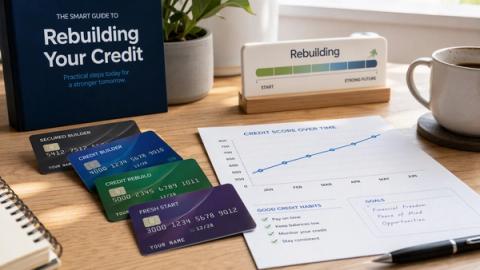
Secured Credit Cards
A secured credit card requires a refundable deposit. If you deposit $300, your credit limit may be $300. That deposit protects the issuer if you fail to pay.
Secured cards are often a smart choice if you have no credit history or you’re rebuilding damaged credit. Just make sure the card reports to all three major credit bureaus. Also look for a clear upgrade path to an unsecured card.
A secured card should be a bridge. Not a financial basement.
Unsecured Starter Cards
An unsecured starter card does not require a deposit. Some issuers offer these cards to people with limited credit or fair credit.
These cards can be convenient, though the APR may be high and rewards may be limited. That’s fine if you pay in full every month. It’s a problem if you carry a balance.
Store Credit Cards
Store cards can seem tempting because they often offer checkout discounts. You know the moment. You’re buying shoes or a laptop and the cashier says you can save 20% today.
Pause.
Store cards often have high APRs and limited use outside that retailer. They may make sense if you shop there often and always pay in full. Otherwise, skip the impulse application.
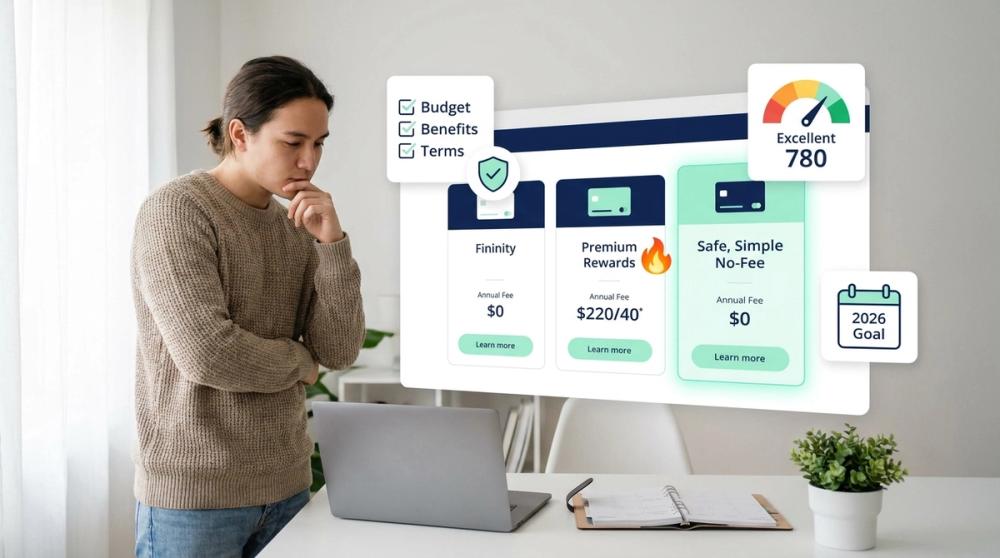
Compare Fees Before You Compare Rewards
Rewards get the attention, but fees do the damage.
For most beginners, a no annual fee credit card is the best place to start. A no-fee card is easier to keep open for years, which may help your credit history length over time.
Look closely at these costs:
- Annual fee
- Late payment fee
- Foreign transaction fee
- Balance transferMoving credit card debt onto a new card with a promotional low or 0% rate, so payments attack the balance instead of the interest. fee
- Cash advance fee
- Returned payment fee
You should also read the card’s pricing terms before applying. The Consumer Financial Protection Bureau has helpful credit card guidance at consumerfinance.gov.
Understand APR Before You Apply
APR stands for annual percentage rate. It shows the yearly cost of borrowing if you carry a balance.
Here’s the important part: APR does not matter much if you always pay your full statement balance by the due date. It matters a lot if you don’t.
Many first credit cards have higher APRs because new borrowers represent more risk to lenders. That doesn’t make the card bad by itself. It just means you need a firm rule:
Never buy something with your first credit card unless you already have the money to pay it off.This one habit can save you hundreds or even thousands of dollars.
Keep Credit Utilization Low
Credit utilizationThe share of your available revolving credit you are currently using — one of the largest single inputs to a credit score. means how much of your available credit you’re using. If your credit limit is $500 and your balance is $250, your utilization is 50%.
Lower utilization usually looks better to credit scoring models. Many people aim to stay below 30%, though lower can be better.
This can be tricky with a low first credit limit. A few normal purchases can push your utilization up quickly. To manage that, use the card for one or two predictable expenses. Maybe gas. Maybe a streaming subscription. Maybe groceries once a month.
Then pay it off.
Simple beats clever here.
Check Your Approval Odds First
Before you apply, understand where you stand. If you have never borrowed money before, you may have no credit file or a thin credit file. If you’ve missed payments in the past, you may need a rebuilding card.
You can check your credit reports for free through AnnualCreditReport.com, which is the official site authorized under federal law.
Many issuers also offer prequalification. This can show whether you’re likely to be approved without a hard credit inquiry in many cases. It is not a guarantee, but it can help you avoid applying blindly.
One or two careful applications are normal. Five random applications in a week? That looks desperate to lenders.
How to Choose Your First Credit Card in 2026: A Simple Framework
Use this decision process before you apply.
1. Define Your Main Goal
Are you trying to build credit from scratch? Rebuild credit? Earn basic cash back? Avoid fees? Travel internationally?
Your goal should shape the card you choose.
2. Pick the Right Category
If you’re a student, start with student cards. If you have no credit or poor credit, compare secured cards. If you have some credit history, look at unsecured starter cards.
Avoid premium cards for now. Airport lounge access sounds nice, but it won’t matter if the annual fee eats your budget.
3. Remove Bad Options
Cross off any card with unclear fees, no credit bureau reporting, aggressive penalties, or rewards that encourage overspending.
A first card should make responsible behavior easier.
4. Set Up Guardrails
Once approved, turn on account alerts. Set up autopay for at least the minimum payment. Ideally, pay the full statement balance every month.
Also check your app weekly. Not obsessively. Just enough to catch fraud, track spending, and stay aware.
Common First Credit Card Mistakes to Avoid
The biggest myth is that you need to carry a balance to build credit. You don’t. Paying interest does not make you more responsible. Paying on time does.
Another mistake is maxing out a low credit limit. Even if you pay it off later, high reported utilization can hurt your score temporarily.
And don’t ignore the fine print. The card’s terms explain how fees, interest, and penalties work. Boring? Yes. Important? Absolutely.
Final Checklist Before You Apply
Before choosing your first credit card in 2026, ask:
- Does it report to the major credit bureaus?
- Is there no annual fee?
- Can you realistically get approved?
- Are the fees clear?
- Is the reward structure simple?
- Can you pay the balance in full every month?
- Does the issuer offer alerts and mobile controls?
- Is there a path to a better card later?
The Bottom Line
The best first credit card in 2026 is not the one with the flashiest bonus. It’s the one that helps you build credit quietly and safely.
Choose a card with low costs, clear terms, credit bureau reporting, and beginner-friendly approval standards. Use it for small planned purchases. Pay it off every month.
That’s not flashy advice.
But it works.