
A single index fundA fund that mechanically tracks a market index rather than picking stocks, giving broad exposure at very low cost. can feel like instant diversificationSpreading money across many investments so that a loss in any one of them does limited damage to the whole portfolio.. In 2026, that feeling can be misleading. A handful of giant technology companies now dominate the most popular stock indexes, which means a "simple" fund may quietly concentrate your money in one theme: artificial intelligence. Learning how to build a diversified portfolio in 2026 starts with seeing that hidden risk and spreading your money on purpose.
What Diversification Really Means
Diversification is not about owning more investments. It is about owning investments that don't all rise and fall together. When one part of your portfolio stumbles, another can hold steady or even climb.
When Your Index Fund Isn't as Diversified as It Looks
Here is the catch for 2026. The largest US index funds have grown top-heavy, with a small group of mega-cap technology stocks driving much of their performance. Analysts at Morningstar have pointed out that spreading risk across an index can still leave you heavily exposed to a single trade. Owning one fund feels diversified. In practice it may be a concentrated bet on AI. When those few names lead the market higher, the gains feel effortless. When they wobble, so does the bulk of your portfolio. True portfolio diversification strategies in 2026 mean looking beyond that one slice and deliberately adding holdings that march to a different beat.
The Core Building Blocks of a Diversified Portfolio
A resilient portfolio mixes a few asset classes that behave differently from one another.
Stocks: Domestic and International
Stocks drive long-term growth. US shares deserve a place, though they should not be the whole picture. International stocks outpaced US stocks in 2025 and have continued to do so into 2026, helped along by a weaker dollar. Adding a broad international fund is one of the simplest ways to diversify investments away from home-market concentration.
Bonds: Ballast for the Ride
Bonds have reclaimed their traditional role as portfolio ballast. After years of low payouts, higher starting yields mean bonds once again offer real income and a cushion when stocks fall. They temper the swings that all-stock portfolios endure, which matters most in the years when you least expect a downturn.
Cash and Alternatives
Cash provides safety and flexibility, though its appeal fades as interest ratesThe percentage charged for borrowing money or paid for depositing it, quoted as an annual figure. ease. Alternatives — think real assets or commodities — can play a small supporting role. Keep them as satellites around your core, not the foundation.
How to Actually Build It: A Simple Step-by-Step
Asset allocationHow you divide a portfolio among stocks, bonds, cash, and other asset types — the single biggest driver of its risk and return. for 2026 doesn't require a finance degree. It requires a plan you can stick with.
- Define your horizon and risk tolerance. Money you need within three years belongs in safer assets. Money for retirement decades away can hold more stock.
- Choose a target mix. A cautious investor might hold roughly 40% stocks against 60% bonds and cash. A balanced investor might flip that toward 60% stocks. A growth-focused investor might hold 80% or more in stocks, split between US and international.
- Use low-cost, broad funds. A total US market fund, an international fund, and a bond fund together cover enormous ground at very little cost.
- Mind your accounts. Hold tax-efficient assets in taxable accounts and place income-heavy bonds inside tax-advantaged accounts where you can.
Run the numbers with our investment calculators to see how different mixes might grow over time.
Keeping It Diversified: Rebalancing and Common Mistakes
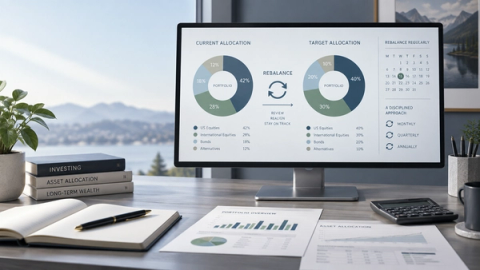
Markets drift. A strong year for stocks can push your 60/40 plan toward 70/30 without you noticing, quietly raising your risk. RebalancingPeriodically buying and selling to return a portfolio to its target mix after market moves have shifted it. — trimming a little of what grew and adding to what lagged — returns you to your target. Checking once or twice a year is usually enough.
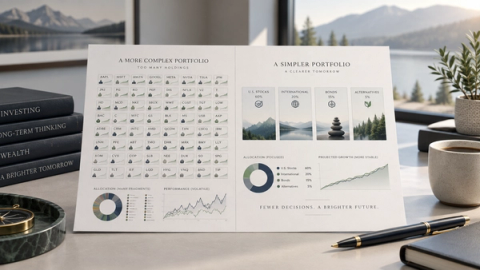
Watch for three common traps. Owning ten overlapping funds is not diversification — it is duplication. Chasing last year's winner often means buying high right before the trend cools. And mistaking a long list of holdings for genuine balance leaves you exposed when one theme finally turns.
Building Your Portfolio With Confidence
Knowing how to build a diversified portfolio in 2026 comes down to one habit: diversify on purpose, then revisit your plan as life and markets change. Spread your money across assets that move differently, keep your costs low, and rebalance with discipline. Do that, and you give your savings the steadiest path through whatever the year brings.
This article is for educational purposes only and is not personalized financial advice. Consult a qualified professional before making investment decisions.