
When you buy a precious-metals ETFA fund holding a basket of investments that trades on an exchange like a single stock, usually tracking an index at low cost., you may own shares in a fund that holds physical gold or silver, but you probably cannot see the bars yourself. So, who safeguards the gold and silver behind your ETF? The answer can involve several parties, including the fund sponsor, a custodian, and the vault operator storing the metal. Their records, inspections, audits, and reports help show whether the ETF holds the assets it claims to hold. The details vary by fund, and the protections are not identical. By the end, you will know where to look for custody information, how to assess reports and verification procedures, and which questions to ask before buying a gold or silver ETF.
How precious-metals ETFs hold gold and silver
Physical-metal ETFs versus futures-based funds
A physically backed ETF holds bullion for the fund. For example, a gold ETF may own gold bars stored in approved vaults, while a silver ETF may hold silver in allocated or unallocated accounts, depending on its documents. Investors therefore need to examine who stores the metal, how it is held, and what audits or insurance arrangements apply.
A futures-based fund does not need to store equivalent bars for every share. It gains exposure through futures contracts or other financial instruments. Its risks include the exchange, clearing system, broker, and contract counterparties, as well as the effect of renewing contracts when they expire. Some funds can combine physical holdings with these contracts, so custody and counterparty analysis may both matter.
The prospectus explains the fund's investment method, custody arrangements, and risks. Annual reports then identify the assets and liabilities supporting the fund, such as bullion holdings, futures positions, cash, or collateralAn asset you pledge to a lender that it can seize if you stop paying — the thing that makes a loan secured.. Together, these documents show what each share represents and which parties stand between the investor and the metal price.
The custodians and vault operators behind the fund
What a custodian does
The ETF sponsor manages the fund but does not necessarily store its bullion. The custodian, appointed under the fund's governing documents, holds the gold or silver and maintains custody records. The trust and custody agreements specify who may hold the metal, how it must be allocated, and when another institution may be used.
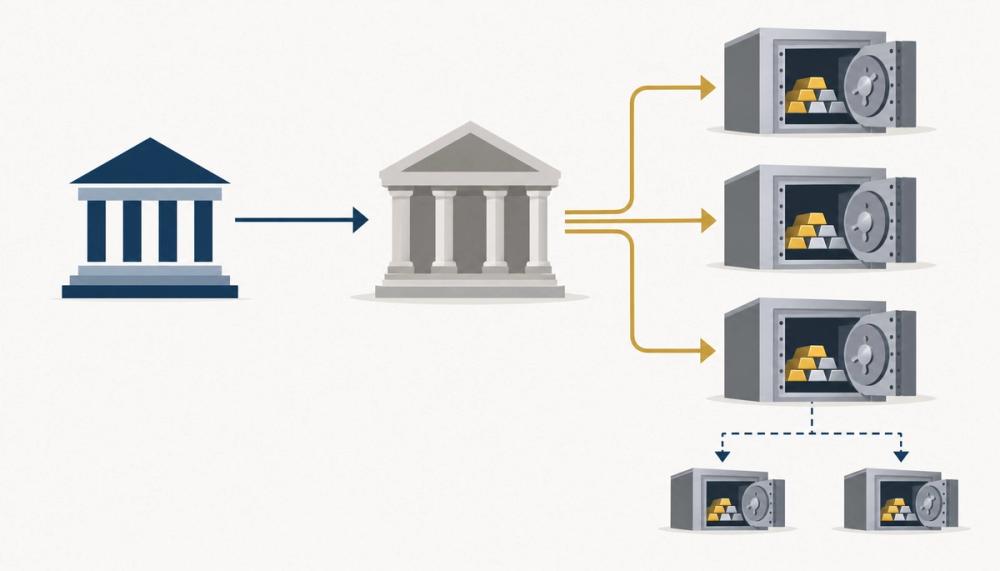
A custodian may appoint a sub-custodian for part of the storage chain. The sub-custodian is not the fund sponsor. It has a defined responsibility under the primary custodian's oversight and the fund's contractual terms.
Where vault operators fit
The vault operator runs the facility where bars are received, identified, stored, and inspected. It may be the custodian, a sub-custodian, or a separate contractor. The governing documents should disclose the relationship and its limits.
Bar lists, weight and purity records, account statements, reconciliations, inventory checks, and audit controls connect the metal to investors' shares. They help compare bullion attributed to the fund with shares outstanding. A shareholder owns fund shares, not a particular bar, unless the fund documents state otherwise.
How audits, inspections, and reporting verify the holdings
An audit can test whether a fund's records match its reported gold or silver holdings. Physical inspections add another check: an auditor or inspector may visit the vault, review inventory controls, and examine selected bars. A bar list can identify each bar by refiner, serial number, weight, and purity, allowing records to be compared with vault inventories. Periodic reports then show changes caused by purchases, sales, or investor creations and redemptions.
What investors can find in fund documents
These checks help answer one question: does the bullion appear to exist? They do not, by themselves, explain your legal claim to it. Read the prospectus for custody arrangements, ownership rights, redemption rules, liens, and counterparty risks. The annual report and audited financial statements may describe the auditor's procedures and include language about the reported assets. The fund's website may publish current or periodic bar lists, while regulatory filings contain risk factors covering vault operators, sub-custodians, insurance, and possible delays in recovering metal. Look for whether the fund owns allocated bars directly or has another contractual interest.
What to check before buying a gold or silver ETF
Before buying, check whether the fund holds allocated physical metal, shares in a trust, futures, swaps, or another derivative exposure. A physically backed fund should name its custodian and explain where the metal is held, how vaults are used, and whether sub-custodians or lending arrangements are involved. Read the latest holdings, bar lists, or audit reports, and note how often the fund reports them. For a derivative fund, identify swap providers, futures brokers, and other counterparties, then review collateral and what happens if a counterparty defaults.
Compare expense ratiosThe annual percentage of your investment that a fund charges to operate, deducted automatically from returns., but also examine tracking differences. A low fee does not help if the fund regularly lags the metal price. Check creation and redemption rules, including whether only authorized participants can exchange shares for metal and whether ordinary investors must sell for cash. Tax treatment can differ between funds and from owning securities, so review the fund documents and ask a tax professional about your situation.
Read the prospectus and latest reports next. Compare each custody structure with your goals, investment horizon, and tolerance for counterparty, liquidity, and price risk.
Who safeguards your ETF's gold and silver? What to check
Start with the fund's prospectus and latest reports. Confirm whether the ETF holds physical bullion, uses futures or other contracts, or combines both. That answer determines whether you should focus mainly on custody and vault arrangements, contract counterparties, or both.
Then identify the named custodian, any sub-custodian, and the vault operator. Review the fund's audit language, bar lists, inspection procedures, financial statements, and risk factors. Evidence that bullion exists is useful, but it does not by itself explain your legal rights to that metal.
Finally, compare expense ratios, tracking differences, redemption rules, tax treatment, and counterparty exposure. Choose a structure that fits your goals and risk tolerance, rather than assuming every gold or silver ETF carries the same safeguards.