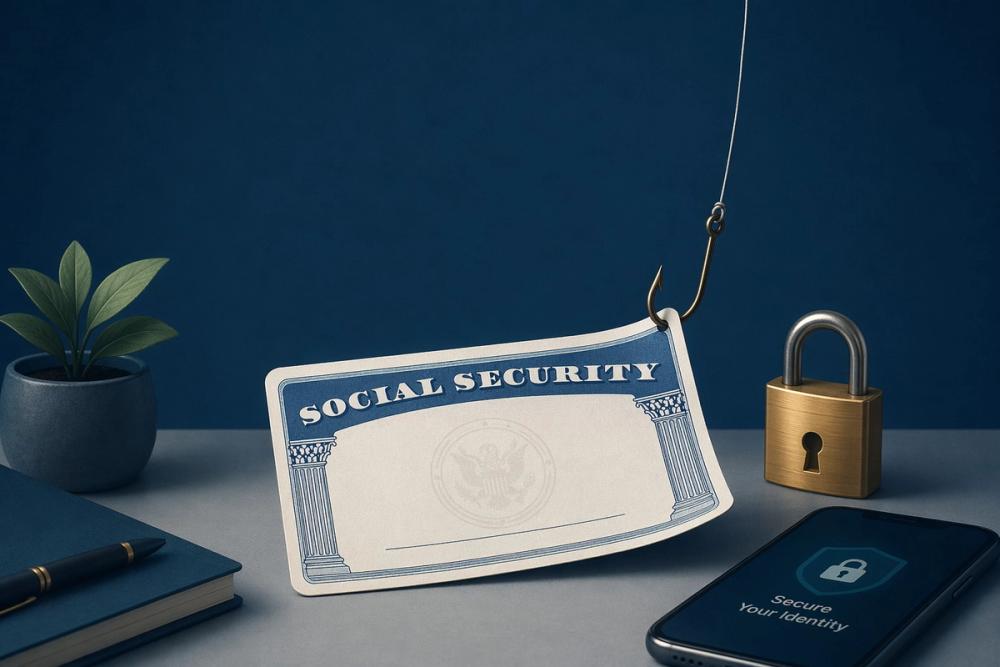
A stolen Social Security number is not a single crime. It is a master key. With those nine digits, a thief can open credit cards, claim your tax refund, drain benefits, and borrow in your name for years before you notice. If your SSN is stolen, panic is the natural reaction. It is also the least useful one. What protects you is a clear sequence, performed quickly. Speed matters far more than perfection, and the right order contains the damage fastest.
Warning Signs Your SSN Has Been Stolen
Identity theft rarely announces itself. More often, it leaks out in small inconsistencies you have to learn to read. Watch for accounts or hard credit inquiries you never authorized. Pay attention to bills, debt collectors, or IRS letters tied to activity you do not recognize. A tax return rejected because "one was already filed" is a loud signal. So is a benefits statement listing wages from an employer you have never worked for. Spotting even one of these is enough. Treat suspicion as confirmation and move immediately to containment.
The First 48 Hours: How to Report a Stolen SSN
The opening two days decide how much a thief can accomplish. Work through these steps in order.
Freeze Your Credit and Add a Fraud Alert
A credit freeze is your strongest move. It blocks anyone from opening new accounts in your name, it costs nothing, and it stays until you lift it. You must contact all three bureaus separately to place one: Equifax (800-685-1111), Experian (888-397-3742), and TransUnion (888-909-8872).
A fraud alert is lighter and faster. Contact just one bureau and it must notify the other two. An initial alert lasts one year and asks lenders to verify your identity before granting credit. Think of it this way. A freeze locks the door. An alert posts a guard beside it. You can use both at once. The FTC explains the difference and the steps at consumer.ftc.gov.
File Your Report at IdentityTheft.gov
Next, report the theft at IdentityTheft.gov, the federal government's one-stop recovery resource. The site asks about what happened, then generates two things: an official FTC Identity Theft Report and a personalized recovery plan. That report carries real weight. It unlocks your right to an extended seven-year fraud alert, helps you remove fraudulent accounts, and supplies ready-made dispute letters. One caution worth remembering: the FTC will never call to threaten you or demand payment in gift cards. Anyone who does is a scammer.
Lock Down Taxes, Benefits, and Existing Accounts
A stolen number reaches well beyond your credit file. Once the freeze and report are in place, seal the doors thieves exploit most.
Protect Your Tax Refund
Tax fraud ranks among the most common uses of a stolen SSN. If the IRS flags a duplicate return under your number, file Form 14039, the Identity Theft Affidavit. IdentityTheft.gov can generate it for you. Then request an IRS Identity Protection PIN, a six-digit code that blocks anyone from filing a fraudulent return in your name. The IRS outlines both protections at irs.gov.
Notify the SSA and Your Banks
Report the stolen number to the Social Security Administration through its official page, then review your earnings record for wages you never earned. Call the fraud department at every bank and card issuer where you hold an account. Close anything compromised and reset your logins and PINs. Keep the roles straight. The SSA tracks misuse of your benefits, while the FTC drives your overall recovery.
Rebuild and Stay Protected for the Long Term
Recovery is not a single afternoon. It is a set of habits that outlast the breach. Pull your credit reports often at AnnualCreditReport.com, where federal law now guarantees free weekly access, and dispute every entry you do not recognize. Leave your credit freeze in place permanently. Lift it only when you apply for new credit, then put it back. Document everything as you go: dates, names, and confirmation numbers. A clean paper trail wins disputes. With your FTC report in hand, you can also place an extended fraud alert that lasts seven years.
Conclusion
Knowing what to do if your SSN is stolen comes down to one principle: order beats panic. Freeze your credit, report the theft, lock down your tax and bank accounts, then monitor relentlessly. The single biggest protective factor is timing. Victims who act within days, rather than weeks, lose far less. So bookmark IdentityTheft.gov, start your credit freeze today, and treat monitoring as a routine—never a one-time fix.