
The typical American side hustle brings in $1,275 a month. That's real money — enough to cover a car payment, chip away at debt, or finally start building a cushion instead of living one bad week from disaster. But here's what the numbers don't tell you: most people earn far less than that because they chase whatever trend is blowing up on social media instead of picking a platform that actually fits their skills and schedule.
In 2026, the side hustle landscape has matured. It's not just gig apps and survey sites anymore. A Quicken survey found that 76% of independent workers now view freelancing and gig work as a permanent career choice, not a temporary stopgap. The platforms have gotten better. The tools have gotten smarter. And the people making real money are the ones who stopped chasing shiny objects and committed to something sustainable.
This guide breaks down the best side hustles to make real money in 2026 — seven specific platforms with honest earning data, startup costs, and the type of person each one fits best. No hype. No inflated promises. Just the information you need to pick one and get started.
What Makes a Side Hustle Worth Starting in 2026
Before diving into specific platforms, it helps to understand what separates a side hustle that pays from one that drains your time for pocket change. The best side hustles to make real money in 2026 share three traits: low startup cost, digital or semi-passive distribution, and the ability to scale beyond simply trading hours for dollars.
AI has reshaped the landscape significantly. Upwork reports that AI video generation and editing grew 329% year over year. But the real competitive edge isn't the AI itself — it's the human judgment layered on top. Freelancers who know when to refine AI output, when to override it, and when to start from scratch are the ones commanding premium rates.
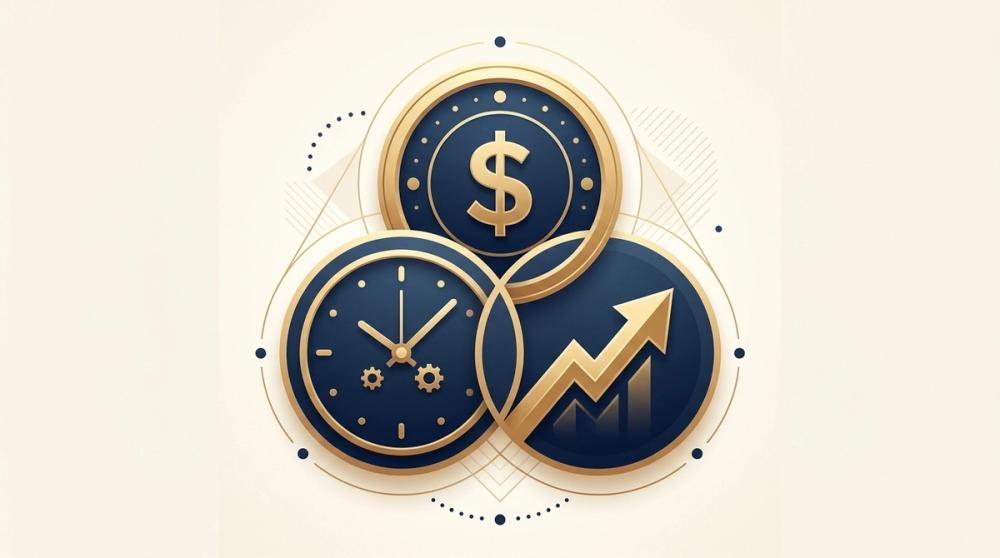
When evaluating any side hustle, run it through three filters. Can you start with under $200? Does it work around a full-time job? And does it have an income ceiling beyond hourly work, or are you capped at trading time for money? If a hustle fails two of those three tests, move on.
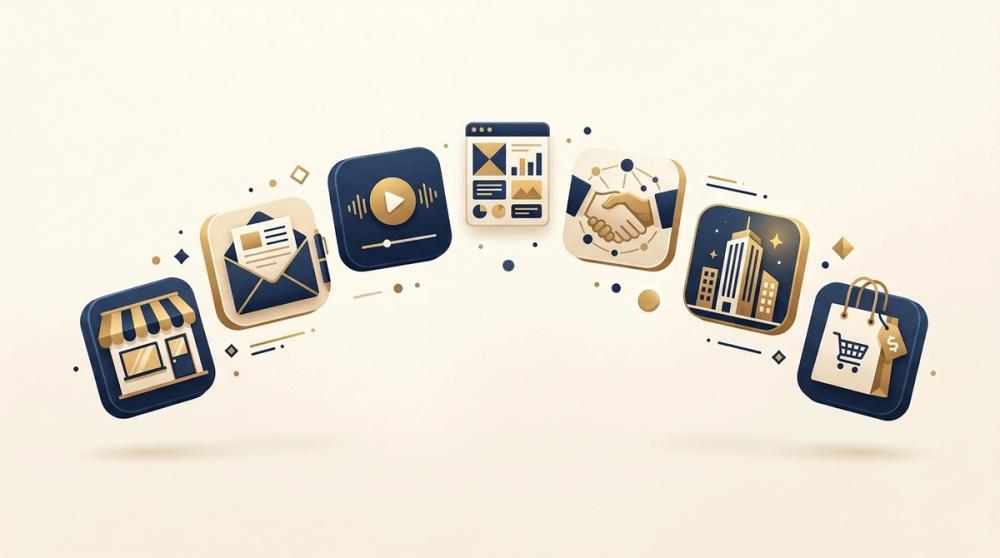
7 Side Hustle Platforms That Actually Pay in 2026
Each platform below includes real earning data from platform reports, creator case studies, and industry research — not guesswork.
Upwork — Freelance Services for Skilled Professionals
Upwork is the largest freelance marketplace connecting independent workers with clients across writing, design, development, marketing, and consulting. The platform reported e-commerce management demand up 130% year over year in its 2026 In-Demand Skills report.
Freelance writers earn $100–$500+ per article. Virtual bookkeepers command $60 per hour. Web designers on the platform have reported earnings up to $100K per month at scale. Upwork costs nothing to join — the platform takes a 10% cut on earnings.
The honest reality? The first client is the hardest. Most freelancers spend two to four weeks sending proposals before landing a gig. But once you build reviews, repeat clients become your primary income driver. Upwork fits people who already have a professional skill — writing, design, coding, marketing, bookkeeping — and want to monetize it without building a personal brand from scratch.
If you're ready to formalize your freelance income, check out Informer Money's guide to registering an LLC.
Etsy — Digital Products With Near-Zero Marginal Cost
Etsy has quietly become one of the best platforms for selling digital products. Printables, templates, SVG files, and planners carry no inventory or shipping costs. Every sale after the first is nearly pure profit minus Etsy's $0.20 listing fee and 6.5% transaction fee.
Sellers report $2,000–$10,000 per month for established shops. One seller documented $93,000 in annual revenue selling printable PDF downloads alone. The best-selling categories in 2026 include wedding stationery, Notion and Google Sheets templates, printable wall art, weekly planners, and SVG cut files for crafters.
Etsy fits design-oriented creators, and Canva makes professional-looking products accessible even without formal design training. The catch is that Etsy traffic is search-driven. Mastering platform SEO — keyword-rich titles, strategic tags, optimized descriptions — determines whether your products surface or disappear into the algorithm's depths.
Shopify — E-Commerce and Dropshipping at Scale
Shopify is a full e-commerce platform that lets anyone launch an online store. Paired with dropshipping suppliers like DSers or CJ Dropshipping, sellers can run a store without holding inventory. The global dropshipping market is projected at $476 billion by 2026.
Profit margins typically range from 30–50% on niche products. Pet accessories, home office gear, and fitness equipment consistently perform well. Shopify Basic starts at $29 per month, with domains running about $14 per year. The real variable cost is your ad budget.
Dropshipping is not passive, despite what the YouTube gurus claim. Customer service, supplier reliability, and ad performance all require active management. The stores that survive past month three tend to be the ones where the owner treats it like a business, not a lottery ticket.
Gumroad — Sell Digital Products Direct to Your Audience
Gumroad is a platform for selling digital products directly to buyers — prompt packs, Notion templates, micro-courses, e-books, and design kits. It handles checkout, delivery, and payments while you keep the customer relationship.
Products typically sell for $5–$50 each. Creators with existing audiences report $1,000–$5,000 per month. The leverage is significant: build once, sell infinitely. Gumroad is free to start and takes a 10% fee per sale.
The product matters less than the distribution. The most successful Gumroad sellers invest heavily in content marketing — Pinterest pins, YouTube tutorials, Twitter threads — to drive traffic to their storefront. If you're starting from zero with no audience, expect slow results. If you already have a following, this is one of the highest-margin side hustles available.
Substack — Paid Newsletters for Writers and Subject-Matter Experts
Substack lets writers charge subscribers directly for newsletter content. The platform handles payments, email delivery, and subscriber management. Writers keep 90% of revenue minus Stripe processing fees.
Subscribers typically pay $5–$25 per month. A newsletter with 500 paid subscribers at $8 per month generates $4,000 monthly. Journalist Emily Atkin turned her climate newsletter into six-figure income. Lenny Rachitsky's newsletter became one of the platform's top earners.
Substack fits strong writers with deep knowledge in a specific niche — tech, finance, health, policy, career strategy. The format rewards consistency and distinctive voice over virality. Growth is slow and nonlinear, though. Most paid newsletters take six to twelve months of free publishing before conversions begin. The model rewards patience and quality over hype.
Amazon Influencer Program — Product Review Videos That Earn Passively
The Amazon Influencer Program is an extension of Amazon's Associates affiliate program designed for content creators. Approved influencers build a storefront and upload short product review videos. When shoppers watch and buy, the creator earns a commission.
Most mid-tier influencers earn $500–$5,000 per month. One documented case study features Michael Strahl, a senior construction technician who earns $10,000 per month reviewing tools and home products — roughly seven times the typical American side hustle income.
You don't need a massive following to qualify. Nano-influencers with 200+ followers on qualifying platforms can apply. Startup costs range from $0 to $200 for basic equipment like a ring light and phone tripod. The key insight from a February 2026 Creator Economy Institute study: creators who pre-loaded at least 40 product videos saw 68% less income volatility than those who uploaded reactively. Batch-create your content upfront and let it work for you.
Arrived — Real Estate Investing From $100
Arrived is a fractional real estate investing platform that lets you buy shares of income-generating rental properties. The platform handles property management, tenant relations, and maintenance. Investors earn from rental income and property appreciation.
Typical annual returns range from 8–12% including dividendsA share of a company's profits paid out to shareholders, usually in cash and usually every quarter. and appreciation. Individual share prices start at $100. This is long-horizon income, not quick cash — but it's one of the few side hustles that builds genuine wealth rather than just adding another paycheck.
Arrived fits people who want passive income without becoming a landlord. Returns are not guaranteed, real estate markets fluctuate, and liquidity is limited since you can't sell shares instantly like stocks. But for someone with a small amount of capital who wants exposure to real estate, it's worth serious consideration. Explore more wealth-building strategies in Informer Money's investing and wealth category.
How to Pick the Right Side Hustle for Your Situation
Match the hustle to your constraints, not your fantasies. If you have zero startup capital, start with Upwork or the Amazon Influencer Program. If you have design skills, Etsy digital products offer the highest margin. If you have writing chops and niche expertise, Substack builds compoundingInterest earned on both your original money and the interest already added to it, which makes balances grow faster over time. income over time.
Commit to one hustle for 30 days of real effort before evaluating. Most people quit in week two because the first results are always slow. The data is consistent — successful side hustlers aren't the ones who pick the "best" platform. They're the ones who pick one and stay with it long enough to see results.
Don't run three side hustles simultaneously. Pick one, maybe two. Spreading effort across too many platforms produces shallow results everywhere and exhaustion across the board.

What You Need to Know About Side Hustles in 2026
The best side hustles to make real money in 2026 aren't secret. They sit on platforms that millions of people already use. The difference between the people who earn $200 a month and the people who earn $5,000 comes down to three things: choosing a platform that fits your skills, committing past the boring early weeks, and treating it like a business rather than a hobby.
Pick one platform from this list. Set a 30-day commitment. Track your hours and your earnings. If it works, double down. If it doesn't, try the next one with the same discipline. The side hustle economy in 2026 rewards consistency more than cleverness — and the people who figure that out are the ones who turn extra income into real financial momentum.