
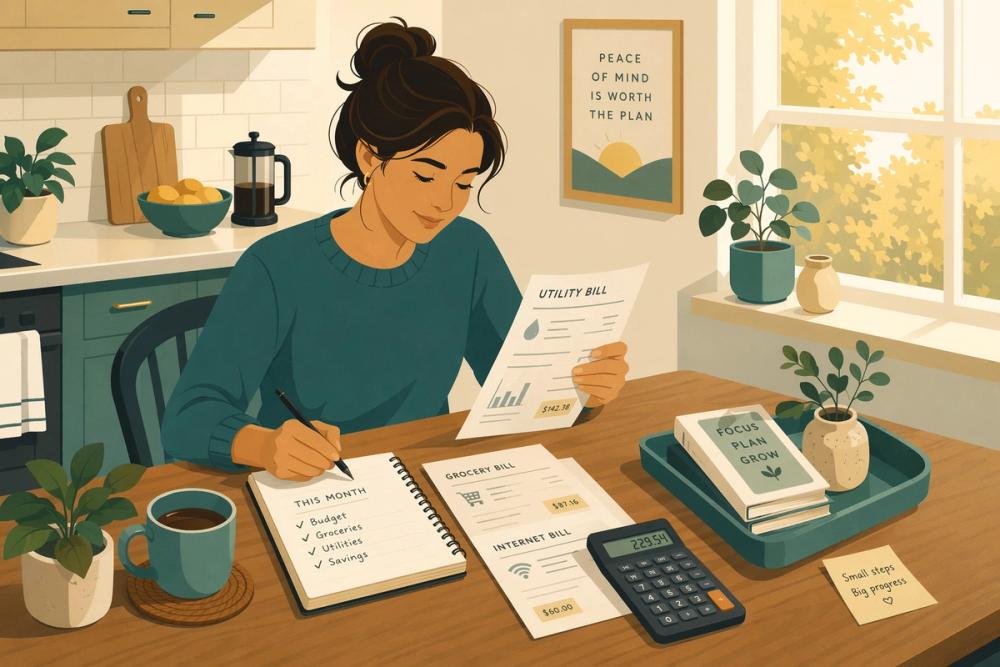
Grocery bills, utility rates, and everyday purchases have all crept upward in recent years, and most household budgets are feeling the squeeze. The good news: you don't need a dramatic lifestyle overhaul to regain control. A handful of small, consistent changes across your housing, food, subscriptions, and banking can add up to real monthly savings. Here are 50 practical ways to cut your monthly expenses today, organized so you can scan for what applies to you.
Housing & Utilities
Housing and utilities are usually the biggest line items in any budget, which means small adjustments here often produce the biggest savings.
- Renegotiate your rent at lease renewal or ask your landlord for a rate freeze.
- Compare internet and cable providers annually, then call to negotiate or switch.
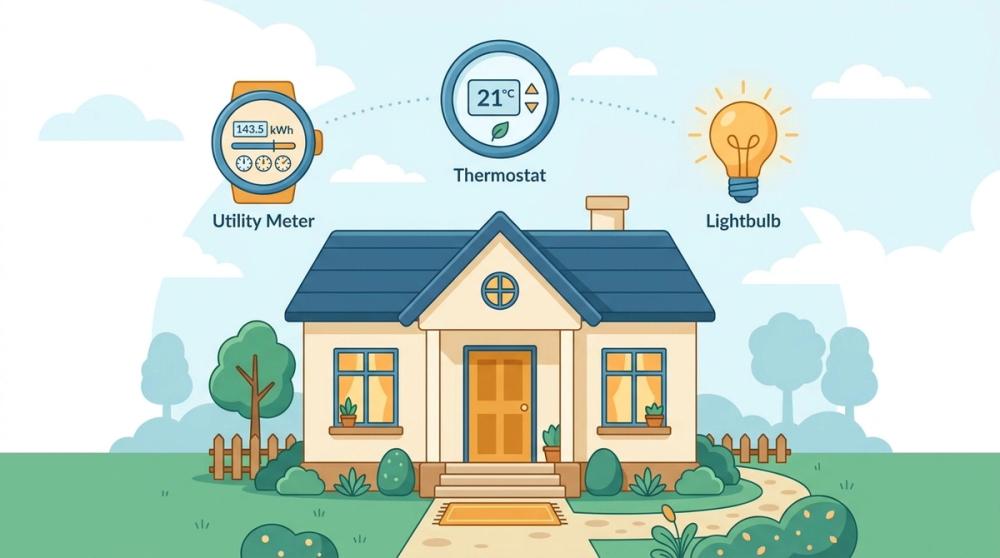
- Install a smart or programmable thermostat to cut heating and cooling costs automatically.
- Switch to LED bulbs and unplug idle electronics that draw "phantom" power.
- RefinanceReplacing an existing loan with a new one, usually to lower the rate, change the term, or convert equity into cash. your mortgage if rates have dropped since you locked in.
- Fix leaky faucets and old appliances that quietly inflate your water and energy bills.
- Bundle home or renters insurance with your auto policy for a multi-policy discount.
Food & Groceries
Food spending is one of the easiest categories to trim without sacrificing quality.
- Meal plan and shop with a list to cut down on impulse buys.
- Switch to store-brand groceries for staples where quality won't suffer.
- Use cashback apps or loyalty programs at your regular grocery store.
- Buy pantry staples in bulk when the per-unit price is lower.
- Cut back on food delivery apps, where fees and markups add up fast.
- Batch-cook and freeze meals so takeout is less tempting on busy nights.
- Pack lunch for work instead of buying it daily.
Subscriptions & Entertainment
Subscriptions are easy to forget about, which makes them one of the fastest wins in any budget.
- Audit every subscription you're paying for and cancel the ones you don't use.
- Share a family streaming plan across your household instead of paying individually.
- Rotate streaming subscriptions month to month instead of running them all at once.
- Use free library apps like Libby or Hoopla for books and movies.
- Downgrade cable or satellite TV to a cheaper streaming bundle.
- Negotiate your gym membership rate, or switch to a lower-cost alternative.
Transportation
Transportation costs extend well beyond the price of gas, so look for savings in maintenance and insurance too.
- Carpool or use public transit when your schedule allows.
- Shop around for auto insurance every year rather than auto-renewing.
- Combine errands into fewer trips to save on fuel.
- Keep up with routine maintenance so small issues don't become expensive repairs.
- Refinance an auto loan if your credit scoreA three-digit number, typically 300 to 850, that lenders use to estimate how likely you are to repay borrowed money. has improved since you bought.
- Consider a transit pass or bike for short, regular commutes.
Insurance & Debt
The interest and premiums you're paying may be higher than they need to be, and a quick call can often lower both.
- Bundle your home and auto insurance with the same provider.
- Raise your insurance deductible to lower your monthly premium.
- Consolidate high-interest debt into a single, lower-rate personal loan.
- Call your creditors and ask directly for a lower interest rateThe percentage charged for borrowing money or paid for depositing it, quoted as an annual figure..
- Automate extra payments toward your highest-interest debt first.
- Review your life and health insurance annually for better rates.
Everyday Shopping Habits
Sometimes the biggest savings come from adjusting habits rather than cutting anything outright.
- Use a 24-hour rule before making non-essential purchases.
- Unsubscribe from retail marketing emails that tempt you into impulse buys.
- Shop secondhand for clothing, furniture, and electronics.
- Use browser coupon extensions that apply discount codes automatically at checkout.
- Set a weekly "fun money" cap and stick to it.
- Buy seasonal items off-season for lower prices.
Banking, Fees & Automation
The right accounts and a little automation can save money without any ongoing effort.
- Switch to a bank with no monthly maintenance fees.
- Set up autopay on recurring bills to avoid late fees.
- Move idle cash into a high-yield savings accountA federally insured savings account paying a much higher rate than a typical bank account, with full access to your money. so it earns more while it sits.
- Stick to in-network ATMs to avoid withdrawal fees.
- Automate a transfer to savings right after each payday.
- Track your spending with a budgeting app, such as Monarch or YNAB, to catch leaks early.

Health, Personal Care & Miscellaneous
A few overlooked categories can quietly drain your monthly budget.
- Use HSAA tax-advantaged account paired with a high-deductible health plan, where contributions, growth, and medical withdrawals are all untaxed. or FSAAn employer account funded with pre-tax salary for medical or dependent care costs, which you generally must spend within the plan year. funds for eligible medical expenses.
- Choose generic medications over brand-name where appropriate.
- Try at-home alternatives for routine salon or personal-care costs.
- Use telehealth for non-urgent visits when it's the cheaper option.
- Take advantage of employer wellness or discount programs.
- Cancel warehouse club memberships, like Costco or Sam's Club, if you're not using enough of the benefits to justify the fee.
Start Small, Stay Consistent
You don't need to tackle all 50 at once. Pick five or six that apply to your situation, put them in place this month, and build from there. Small, consistent changes compound over time the same way debt or savings do — and tracking the impact with a simple calculator can help you see exactly how much these changes are worth over a year.