

A portfolio can look diversifiedSpreading money across many investments so that a loss in any one of them does limited damage to the whole portfolio. until several holdings fall together. Owning more funds doesn’t necessarily mean owning different investments.
The scary portfolio mistakes investors make often involve overlooked exposures, unclear goals and decisions driven by recent prices. Recognizing their warning signs makes it easier to review holdings, control costs and make changes for concrete reasons.
1. Building a Portfolio Without Clear Goals
An investment can perform well yet still mismatch its owner’s needs. Money earmarked for an approaching expense has a different purpose from retirement savings.
Asset allocationHow you divide a portfolio among stocks, bonds, cash, and other asset types — the single biggest driver of its risk and return. means dividing investments among categories such as stocks, bonds and cash. The SEC ties appropriate allocation to investment timelines and risk tolerance.
How to fix it: Give each investment goal a deadline
Record the goal, expected withdrawal date and financial consequences of a loss. Then consider both willingness to tolerate declines and ability to absorb them. Someone comfortable with volatility may still need stability for an upcoming payment.
2. Mistaking More Holdings for Better Diversification
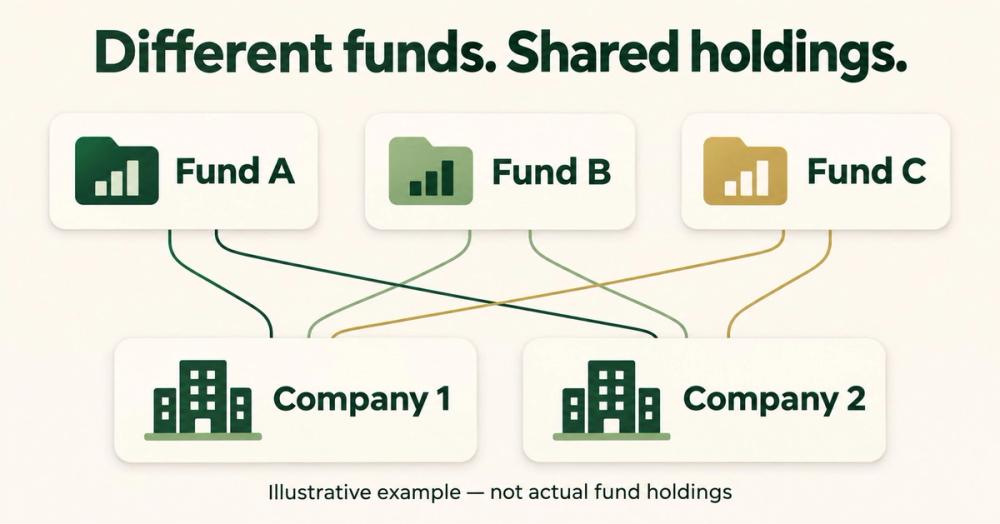
Several funds can repeat the same exposures across a portfolio. A broad stock fund, technology fund and individual technology shares might hold the same companies.
FINRA describes concentration risk as the potential for amplified losses from oversized exposure to particular investments or market segments.
How to fix it: Check what the funds actually own
Review underlying companies, sectors and geographic exposure across investment accounts. Check whether new purchases broaden exposure or repeat existing holdings. Diversification spreads risk across investments but cannot guarantee protection against market losses.
3. Chasing Recent Winners Without Understanding Their Role
Recent gains don’t establish whether an investment belongs in a portfolio. Buying a fashionable sector after strong returns can add exposure without addressing an actual need.
CFA Institute identifies chasing recent performance as a common investing mistake.
How to fix it: Evaluate the investment beyond its recent returns
Write down the investment’s purpose before considering a purchase. Examine its underlying assets, risks and overlap with existing holdings. Compare those characteristics with the portfolio’s goals rather than its latest leaderboard position. If the only explanation is recent gains, the investment decision needs more work.
4. Panic-Selling and Trying to Time the Recovery
Selling during a decline creates another decision about when to return. Moving money out temporarily still requires choosing a future entry point.
CFA Institute warns that market timing can undermine investors’ long-term strategies.
How to fix it: Set decision rules before market stress
Before trading, review cash needs, investment fundamentals and the intended allocation. Ask whether circumstances changed or falling prices simply made risk feel immediate. A job loss may justify reassessing the plan more than a frightening headline. Written decision rules provide specific questions to revisit when emotions run high.
5. Ignoring the Costs of Holding and Changing Investments
Small annual charges can substantially reduce money available for future growth. A fund’s expense ratioThe annual percentage of your investment that a fund charges to operate, deducted automatically from returns. expresses annual operating expenses relative to fund assets. Advisory and account fees may add further costs.
How to fix it: Compare total costs before making changes
The SEC illustrates a hypothetical $100,000 investment growing 4% annually before fees. After 20 years, it reaches approximately $208,000 with 0.25% annual fees versus $179,000 with 1% fees.
Those figures illustrate fee effects rather than predict investment returns. Review prospectuses, advisory charges and account schedules before comparing alternatives. Include possible taxes and exit charges before switching.
6. Letting Portfolio Drift Change the Risk Level
Uneven investment returns can change portfolio risk without any new purchases. Portfolio drift occurs when holdings move away from their intended weights.
A rising stock allocation, for example, may exceed the original risk target.
How to fix it: Establish a rebalancing policy
RebalancingPeriodically buying and selling to return a portfolio to its target mix after market moves have shifted it. restores the intended allocation instead of predicting future winners. The SEC describes both calendar-based reviews and predetermined allocation thresholds.
New contributions can help rebuild underweight positions without immediately selling other holdings. However, contribution amounts may be insufficient to correct substantial drift. Review possible taxes and transaction costs before deciding how to adjust.
7. Investing Money That Needs to Remain Accessible
Unexpected expenses can force investment sales at inconvenient prices. Liquidity describes access to money and doesn’t guarantee price stability. An easily traded investment can still lose value before withdrawal.
How to fix it: Separate emergency reserves from investment capital
The CFPB recommends keeping emergency savings safe and accessible. Reserve needs depend on circumstances rather than one universal amount.
Consider essential expenses, income reliability and foreseeable obligations when reviewing cash needs. Check withdrawal restrictions and potential exit charges before committing money to investments. Accessible reserves can reduce pressure to tap retirement savings when unexpected bills arrive.